
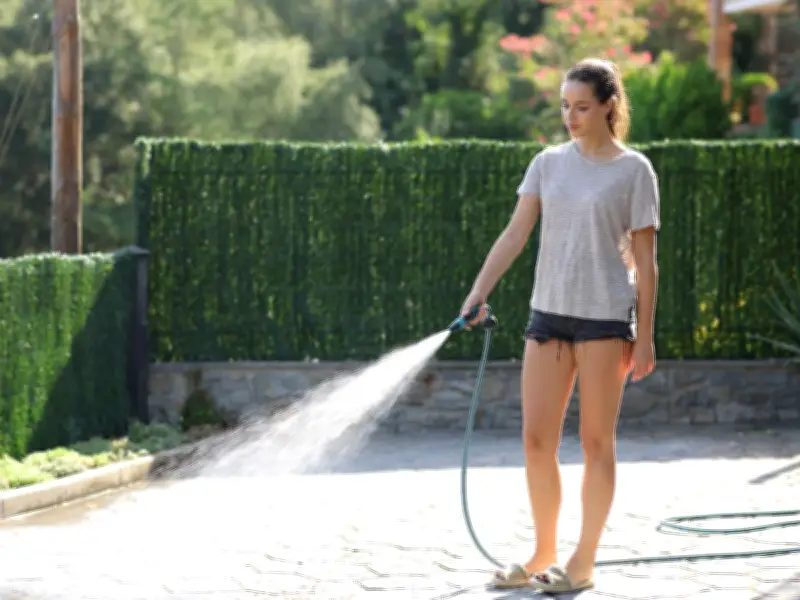
Welsh Water has announced a new hosepipe ban affecting four areas of the UK, with 11 strict rules for residents to follow. The temporary use ban will come into force at 10am on Sunday, 19 July, covering approximately 33,000 properties across mid and south Ceredigion, parts of north Pembrokeshire, and north Carmarthenshire.
The decision follows an extended period of exceptionally high demand for drinking water, exacerbated by a recent scorching heatwave. Welsh Water stated that demand has remained considerably above average throughout the hot, dry weather, placing strain on treated water storage within the local network.
Unprecedented Demand and Measures
According to Welsh Water, there have been several weeks of sustained demand at unprecedented levels. Over the past week, around one billion litres of drinking water have been pumped into supply every day—roughly 20% more than ordinarily anticipated at this time of year. The company has taken extensive action, including operating water treatment works at maximum capacity, moving additional water through the network, keeping local service reservoirs as full as possible, deploying hundreds of frontline colleagues to repair leaks, and using the entire tanker fleet to support areas experiencing pressure.
Kit Wilson, Welsh Water's chief customer officer, said: "This has not been an easy decision, and we fully appreciate that these temporary restrictions will disappoint some customers, particularly during a period of warm weather. However, after several weeks of unprecedented demand, they have become necessary to help protect essential water supplies."
Areas Affected
The affected region stretches from Llanon, Llangwyryfon, and Cwm Ystwyth in Ceredigion, across to Crymych, Llanfyrnach, and Nevern in north Pembrokeshire, and into parts of north Carmarthenshire, including Farmers, Pencader, and Hermon. Residents can check whether their property is affected using the postcode checker on the Welsh Water website.
11 Strict Rules Under the Ban
Under the temporary use ban, customers must not use a hosepipe to:
- Water a garden using a hosepipe
- Clean a private motor-vehicle using a hosepipe
- Water plants on domestic or other non-commercial premises using a hosepipe
- Clean a private leisure boat using a hosepipe
- Fill or maintain a domestic swimming or paddling pool
- Draw water, using a hosepipe, for domestic recreational use
- Fill or maintain a domestic pond using a hosepipe
- Fill or maintain an ornamental fountain
- Clean walls, or windows, of domestic premises using a hosepipe
- Clean paths or patios using a hosepipe
- Clean other artificial outdoor surfaces using a hosepipe
Impact and Duration
Welsh Water emphasized that while water resources and reservoir levels remain healthy, the challenge lies in producing, treating, storing, and moving enough drinking water through the network quickly enough to meet exceptional demand. Increased numbers of holiday makers and visitors to the area as the summer holiday season begins are expected to add further pressure. The temporary use ban is a short-term emergency measure designed to reduce non-essential water use, protect local storage levels, and help ensure reliable water supplies continue for homes, businesses, and essential services. It will be lifted as soon as weather conditions improve and local storage returns to sustainable levels.
Wilson added: "Over the past week we have been putting around one billion litres of drinking water into supply every day – around 20% more than we would normally expect at this time of year. Our reservoirs remain in a healthy position, but the challenge is producing, treating and moving enough drinking water through the network quickly enough to meet this exceptional and sustained level of demand." He thanked customers for their understanding and support, urging everyone to reduce non-essential water use to help protect supplies and reduce the risk of further disruption.




