
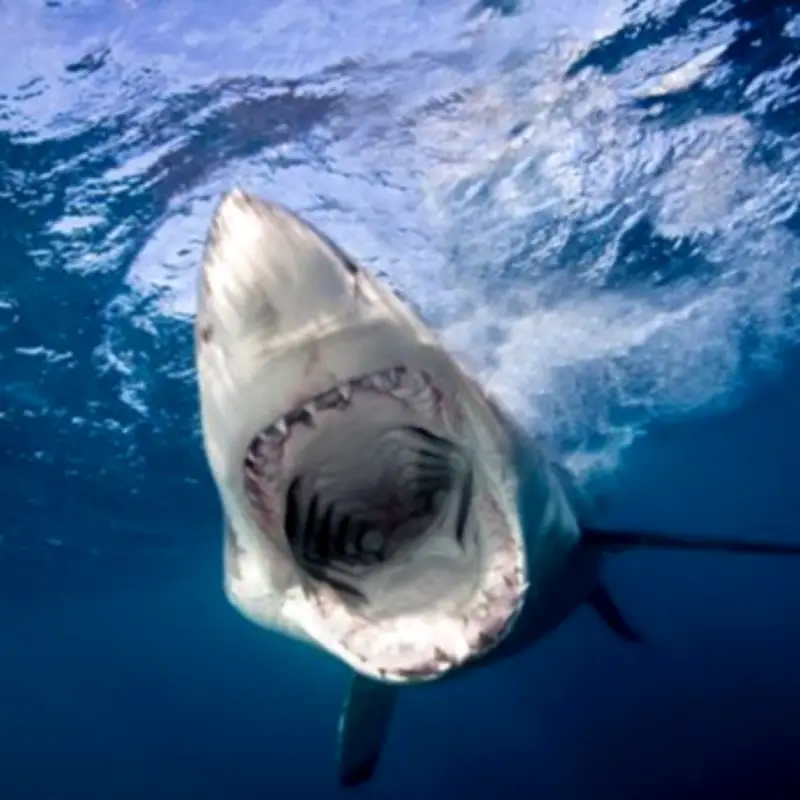
A chilling Great White shark sighting in the Mediterranean has brought global shark attack hotspots into focus, as experts reveal the world's most dangerous waters. The predator was captured on camera between Sicily and Tunisia, marking the first time an adult Great White has been filmed in the Mediterranean. Despite the terrifying footage, Dr Lauren Smith, a shark expert at Saltwater Life, assured the public there is no reason to panic, noting the shark was far from coastal resorts.
Florida: The Shark Attack Capital
Florida remains the undisputed shark attack capital of the world, with 11 encounters in 2025, accounting for 17% of all unprovoked bites globally. More than half occurred in Volusia County, east-central Florida. The International Shark Files, which tracks attacks since the 1500s, reported 65 global attacks last year, slightly below the ten-year average of 72, but nine were fatal—above the usual average of six.
Australia's Deadly Waters
The USA led with 25 bites (38% of the world total), while Australia recorded 21 bites, exceeding its five-year average of 13. Australia also had the highest death toll, accounting for 56% of global fatalities. Gavin Naylor, director of the Florida Program for Shark Research, credited Australia's beach safety for preventing more deaths, noting rapid helicopter responses. However, remote areas pose challenges: in November, a Swiss couple was attacked by a bull shark; the man survived with a makeshift tourniquet, but his partner died.
In the Canary Islands, a British surfer escaped after a shark bit his leg. Statistically, swimmers and waders account for 46% of injuries, followed by surfers (32%) and snorkelers (15%). Despite steady human encounters, global shark populations are declining due to overfishing and climate change, with 30% of 1,200 species endangered, according to Naylor.




