
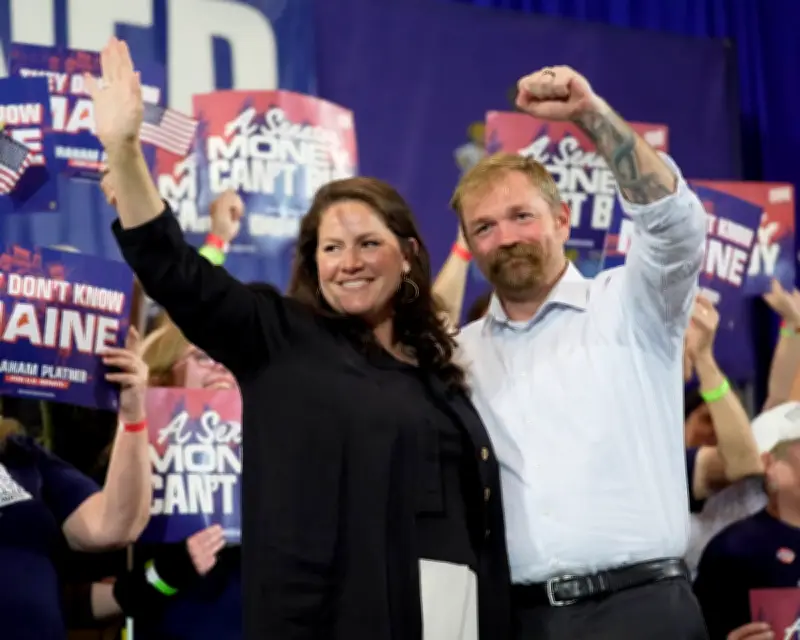
Graham Platner’s victory in the Maine Democratic primary, despite controversies that would sink more conventional candidates, reveals a winning midterms playbook. Voters are not simply rejecting incumbents; they are responding to candidates who speak to a widespread belief that the economic system is rigged in favor of billionaires and large corporations.
The Hidden Wave of Voter Opinion
Research with Harvard professor Taeku Lee, based on surveys of over 36,000 voters across the US, UK, France, and Germany, shows a hidden wave of hostility toward big corporations and billionaire influence. This sentiment cuts across traditional party lines, explaining why figures like Bernie Sanders and Donald Trump have both floated ideas like taking public equity in AI companies. It could decide races in November.
What Is 'Good Populism'?
This electoral cocktail, termed 'good populism' for its democratic benefits, is driven by economic unfairness. Voters worry about tech companies shaping children’s lives, distrust AI firms, fear private equity in housing, and doubt their children will buy homes. They are willing to vote for flawed candidates if they address these issues. These voters blame billionaires and big corporations but are not anti-business; they see small companies as victims and want to save capitalism from the largest firms and big government.
This contrasts with 'bad populism,' based on failure of political institutions and linked to hostility toward immigrants, minorities, and Jewish people. Both sentiments can lead voters to choose flawed candidates.
Implications for Future Primaries
Politicians face a choice: treat Platner’s win as a generic rejection of incumbents, or see what voters see—a lobster fisherman talking about a rigged system. Platner’s success suggests candidates tapping into concerns about concentrated economic power mobilize deeper support. Anti-billionaire sentiment is cresting, and those who ride it will win in November.
In Michigan, candidate Abdul el-Sayed is likely to win despite a tight primary, as prediction markets like Kalshi price a 70% chance of victory. This echoes successes of good populist candidates like Zohran Mamdani and James Talarico, who defied Democratic establishment views.
Conclusion
Good populism offers candidates a chance to mobilize voters across the political spectrum by tapping into feelings of economic unfairness. Populism can bolster democracy if grounded in fairness rather than fear. And the 'good populists,' like Graham Platner, may just have a point.




