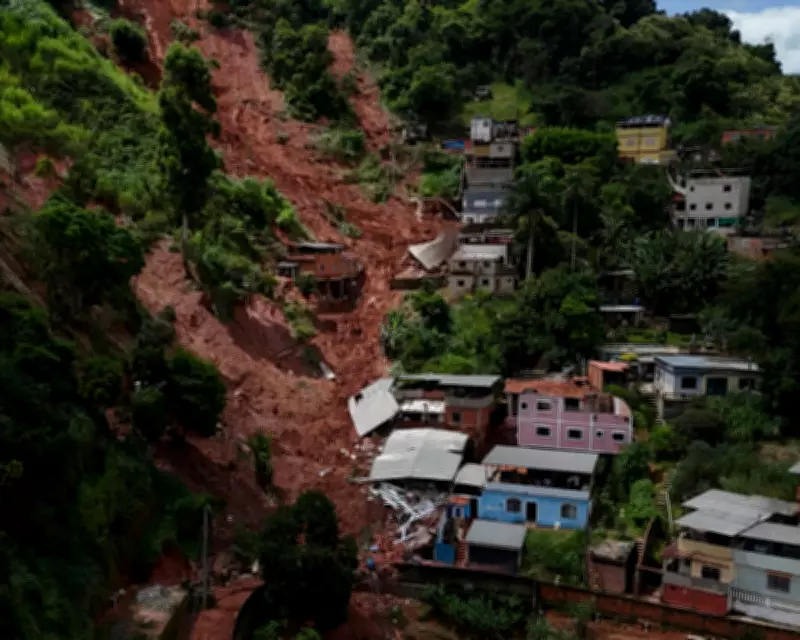
Scientists have issued a stark warning that phasing out fossil fuels is essential to mitigate deadly flooding in Brazil's coffee heartland, a region vital for global coffee production. The call comes as research highlights the intensifying impact of climate change on extreme weather patterns in this agricultural hub.
Climate Crisis Threatens Coffee Production
The coffee-growing areas of Brazil, particularly in states like Minas Gerais and São Paulo, have experienced increasingly severe floods in recent years, causing significant damage to crops, infrastructure, and communities. Experts attribute this trend to rising global temperatures driven by greenhouse gas emissions from fossil fuel consumption.
Research Findings on Flood Risks
Studies indicate that without urgent action to reduce fossil fuel use, flooding events in the coffee belt could become more frequent and intense. This poses a direct threat to the livelihoods of farmers and the stability of the global coffee market, as Brazil is the world's largest coffee producer.

Key recommendations from scientists include:
- Accelerating the transition to renewable energy sources to cut emissions.
- Implementing sustainable agricultural practices to enhance resilience.
- Strengthening early warning systems and flood defenses in vulnerable areas.
The economic and social costs of inaction are high, with potential losses in coffee yields and increased displacement of rural populations.
Global Implications and Policy Responses
The situation in Brazil underscores the broader need for international cooperation on climate policy. Scientists urge governments and industries worldwide to prioritize fossil fuel reduction as part of efforts to combat climate change and protect critical ecosystems.
In Brazil, local authorities are being called upon to integrate climate adaptation strategies into regional planning, while global initiatives aim to support sustainable development in coffee-producing regions.