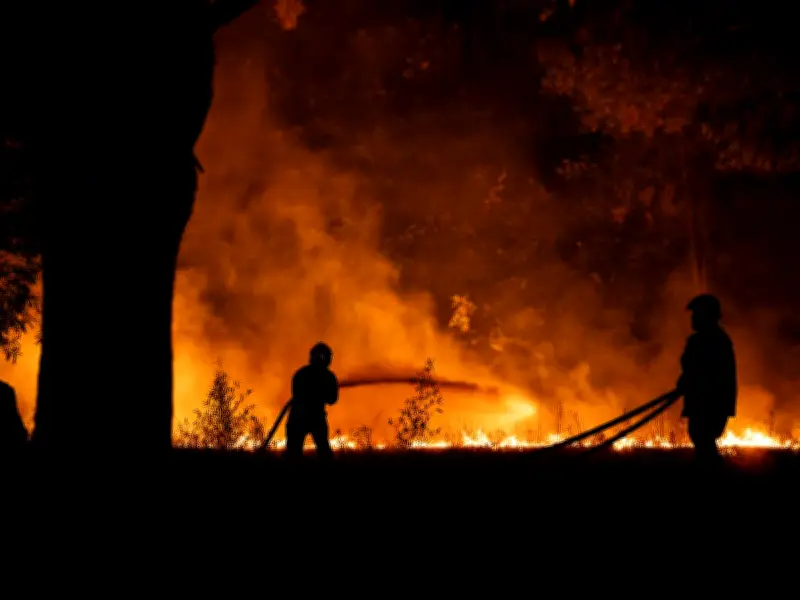
As of July 24, France is battling dozens of wildfires, with the largest having burned since Tuesday (July 21). The massive Cap Ferret Peninsula blaze has forced thousands to evacuate the popular tourist spot of Arcachon Bay, as the fire threatened homes and businesses.
Foreign Office Update
Posting an update on July 24, the Foreign Office said: "Wildfires are affecting parts of Gironde, including areas around Saumos, Le Porge and Lège-Cap-Ferret, where French authorities have evacuated campsites, tourist accommodation and some residential areas. A separate wildfire is also affecting parts of Landes, including Biscarrosse and surrounding areas."
Access to affected areas may be restricted and roads may close at short notice. If you are in the area or planning to travel there, follow the advice of local authorities, monitor local media, and check with your accommodation or travel provider before travelling.
Wildfire Risk and Safety Advice
The Foreign Office has previously warned that France has a "high risk of wildfires during the summer season," with the risk highest between April and October, particularly along the Mediterranean coast, in Corsica, and in areas of the south-west during hot, dry weather. Check the French weather service’s fire alert map before travelling and monitor local authority advice during your stay.
If you’re staying in or near a high-risk area, the French government has advised people to know what to do if a wildfire breaks out and how to prevent wildfire outbreaks. Causing a wildfire in France is illegal, even if accidental, and could result in a fine or prison sentence. If caught in a wildfire, call emergency services on 18 (fire) or 112 (emergency services), then take shelter and cover your nose and mouth with a damp cloth. The French government said: "Take shelter in a cleared property until the intervention of the emergency services. No car can be considered as a safe place because it may catch fire easily."