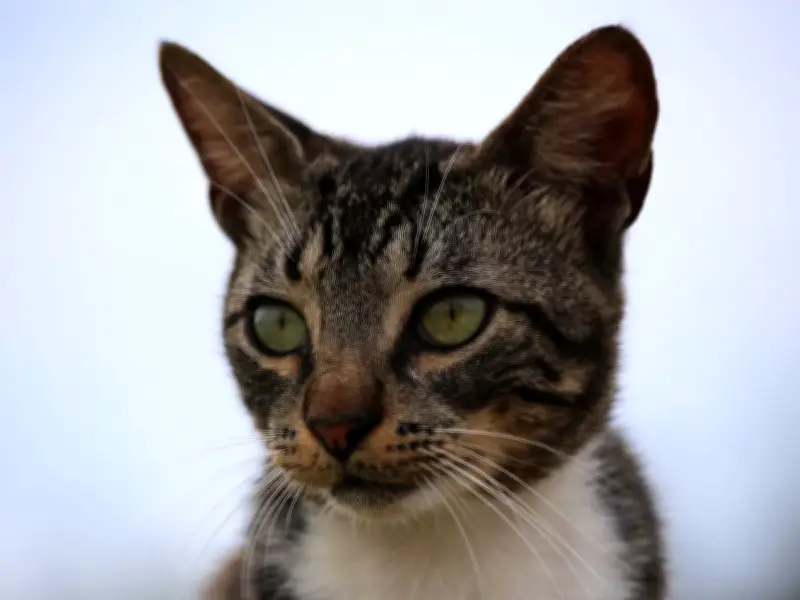
Cat owners are being urged to use October to prepare their homes ahead of Bonfire Night and Diwali celebrations, as fireworks can cause considerable distress to cats, according to Cats Protection.
Rather than making abrupt changes once the first fireworks begin, Chris Maxted, director of pet gate company Cat-G8, advises gradually acclimatising cats to staying indoors, navigating different areas of the home, and having secure retreats available beforehand to make the transition far less unsettling. He recommends adjusting their cat flap routine now and checking doors and windows.
Why fireworks affect cats so severely
Cats possess far more acute hearing than humans, up to three times sharper, enabling them to perceive high-amplitude bangs, whistles, and crackles at a painful and overwhelming volume. Because fireworks occur randomly and unpredictably, cats are unable to anticipate them, triggering an intense fight-or-flight fear response.
Five changes to make before November
Chris advises that if your cat ordinarily has unrestricted access through a cat flap, it is worth considering in advance how that routine will need to change during fireworks season. He recommends that cats should be safely indoors before dark on evenings when fireworks are anticipated, with cat flaps secured and food, water, and a litter tray made available inside, reports the Mirror.
Chris says: "A frightened cat may choose somewhere completely different from their usual sleeping spot, so avoid suddenly shutting them into one unfamiliar room. Instead, create a quieter part of the home where they can move between familiar spaces while staying away from external doors and busier areas, and introduce any access changes before fireworks begin."
Cats often retreat beneath furniture or into enclosed spaces when scared, so it is worth setting up several hiding places several weeks in advance and allowing them to discover these spots naturally, according to Chris. He added: "Cardboard boxes, an open carrier, their usual bed and accessible spaces beneath furniture can all give them familiar options when the noise starts."
Plug in a feline pheromone diffuser (such as Feliway) a week in advance to help soothe anxiety, as recommended by Cats Protection.
Securing escape routes and indoor routines
Chris encourages cat owners to check windows, external doors and cat flaps now, including any that are routinely left open or unsecured. "If you expect visitors, think about the front door too, as separating your cat's quieter area from frequently opened entrances can reduce the risk of them escaping if they are startled," he said.
Cats accustomed to spending their evenings outside may struggle with being confined indoors, so Chris recommends establishing an indoor routine well ahead of Bonfire Night. He suggests ensuring owners familiarise their pets with the location of their litter tray, food, water, and resting spots, giving them ample time to adjust to lengthier periods inside before the fireworks season gets under way.
Common signs of fear in cats
Signs of fear include quietly retreating under beds, inside wardrobes, or deep into enclosed spaces; dilated pupils, pinned or sideways ears, crouching low, or shivering; refusing to eat or drink, over-grooming, excessive meowing, or sudden clinginess. Outdoor or indoor-outdoor cats may bolt in panic, risking getting lost or injured.