Ferries Surpass Cars in Sulphur Pollution Across Key EU Port Cities
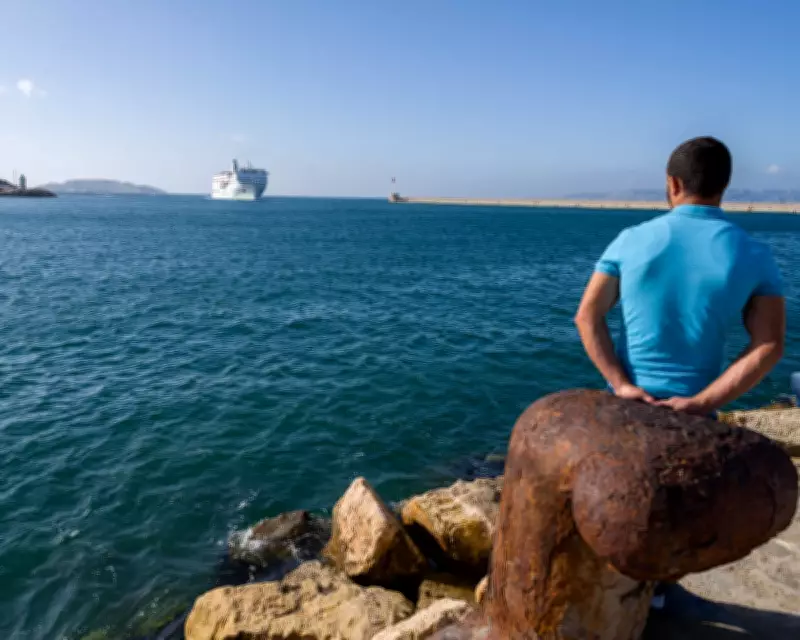
A startling analysis has uncovered that ferries are a more significant source of sulphur pollution than cars in several European capital cities, casting a shadow over coastal air quality. The study, conducted by the clean transport advocacy group Transport & Environment (T&E), reveals that 13 out of Europe's 15 largest port cities are more choked by sulphur oxides (SOx) from ferries than from road vehicles.
Major Cities Affected by Ferry Emissions
Among the capitals identified are Dublin, Helsinki, Stockholm, and Tallinn. Additionally, the analysis found ferries to be bigger polluters than cars in Athens and Rome, though these cities were excluded from the ranking due to their ports being considered separate entities, and in Valletta, the capital of Malta. Non-capital cities on the list include Barcelona, Marseille, Rotterdam, and Valencia, underscoring the widespread nature of the issue.
Felix Klann, a shipping policy analyst at T&E and lead author of the report, emphasized the problem, stating, "Ferries should connect communities, not pollute them." Europe's ageing fleet of nearly 2,000 ferries operates predominantly within five nautical miles of densely populated ports, making them a large but often overlooked contributor to foul air in coastal urban areas.

Health and Environmental Impacts
Sulphur oxides, toxic gases with odours reminiscent of burnt matches and rotten eggs, react to form tiny particles that penetrate lungs, enter the bloodstream, and damage organs throughout the body. This poses serious public health risks, particularly in cities where ferry traffic is heavy.
The report highlights that electrification could offer a viable solution. It found it would have been "technically feasible and cost-effective" to electrify 20% of Europe's ferries by 2025, with this share rising to 43% by 2030 as battery technology advances and costs decrease. Klann added, "Too many ferries are burning polluting fossil fuels, pumping toxic air into Europe's port cities. Electrifying them could dramatically cut emissions and bring a breath of fresh air to millions of people."
Regulatory and Infrastructure Challenges
The analysis modelled air pollution in Europe's 100 busiest ferry ports using methods from an International Maritime Organisation study, comparing SOx emissions with car emissions based on vehicle registration data. It accounted for emission controls in regions like the North Sea, Baltic Sea, and Mediterranean, where sulphur content in ship fuel is limited to 0.1% of mass—five times lower than IMO requirements. These measures have led to a 70% drop in sulphur emissions since 2014, according to the European Environment Agency.
However, barriers remain. Sotiris Raptis, secretary-general of the European Community Shipowners' Association, noted that while the EU has introduced ambitious policies, such as requiring passenger and container ships to use electricity in ports by 2030, "enormous investments are needed to finance the energy transition in shipping." The report identified charging infrastructure as a primary hurdle, though most ports would require only small chargers below 5MW.
Port Responses and Future Initiatives
Port authorities have begun responding. Ingrid Hansson, spokesperson for the Ports of Stockholm, highlighted that many ferries already use onshore power supply, significantly reducing emissions. Ellen Kaasik, environmental manager at the Port of Tallinn, reported investments in onshore power and auto-mooring systems, with plans for electric or hybrid ferries on the busy Tallinn-Helsinki route by 2026.
Andreas Slotte, head of sustainability at the Port of Helsinki, stressed the need for collaboration, saying, "Charging infrastructure cannot be planned and built in a vacuum. Without input from shipping companies, there is only so much a port can do." The 55-mile route between Tallinn and Helsinki is noted as particularly suitable for electrification due to its short distance.
This analysis underscores the urgent need for accelerated electrification and infrastructure investment to mitigate ferry-related pollution and protect public health in Europe's coastal cities.