
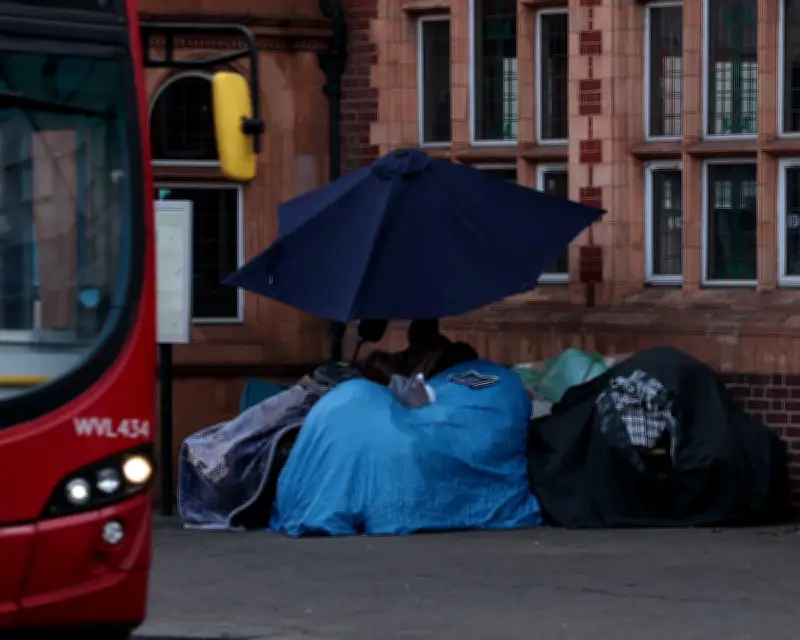
Tom, a man in his 60s who has been homeless for years, described the heat as draining. 'You've just got to bear it. It's like being in a hot country. It drains you,' he said. 'I haven't seen weather like this for as long as I've been outside.'
During the UK's third heatwave this year, outreach workers from charities like Thames Reach and St Mungo's provided extra support, handing out water and carrying out welfare checks. Josie Ashdown, a lead manager at Thames Reach, said: 'The city is not built for heat. ... the concrete makes it hotter here than probably anywhere else in the country at points, and there's hardly any tree cover.'
Health Risks and Barriers
Scientists estimate that the May and June heatwaves in England and Wales killed 2,700 people. Dr Jennie Leggat, a former policy fellow at the University of Cambridge, said rough sleepers are far more vulnerable to extreme heat due to exposure and barriers to escape. 'If you're relying on begging to earn money, you don't have much choice to leave. You have to sit outside, often in the sun and usually in hot urban environments.'
Many long-term rough sleepers have chronic health conditions that heighten their vulnerability. Tom, who has mobility issues, said: 'The bus is like a sauna even compared to outside. I have to keep my legs in wraps ... but I've had to switch to stockings in this weather.'
Systemic Issues and Responses
The charity Crisis estimates up to 15,000 people sleep rough in London every year. In his first speech as prime minister, Andy Burnham vowed to end rough sleeping in England 'at the earliest opportunity'. However, provision varies across boroughs, with heat-related severe weather emergency protocol (SWEP) described as 'a bit of a postcode lottery' by one charity.
Francesca Albanese, executive director of policy at Crisis, called for mandatory SWEP and more affordable homes. 'Having mandatory SWEP provision across the capital and the rest of the country is the minimum,' she said, noting that emergency accommodation often lasts only a few nights.
Stigma and Daily Struggles
Many rough sleepers face stigma when seeking cool spaces. Tom said he hadn't heard of 'cool places' and avoids them due to potential issues with others. Leggat noted that people may not be welcome in public spaces if they have pets, large bags, or look unkempt.
Despite the challenges, Tom has experienced kindness during the heatwaves. 'People have been kinder in the hot weather, helping me get my luggage on and off the bus.'




