
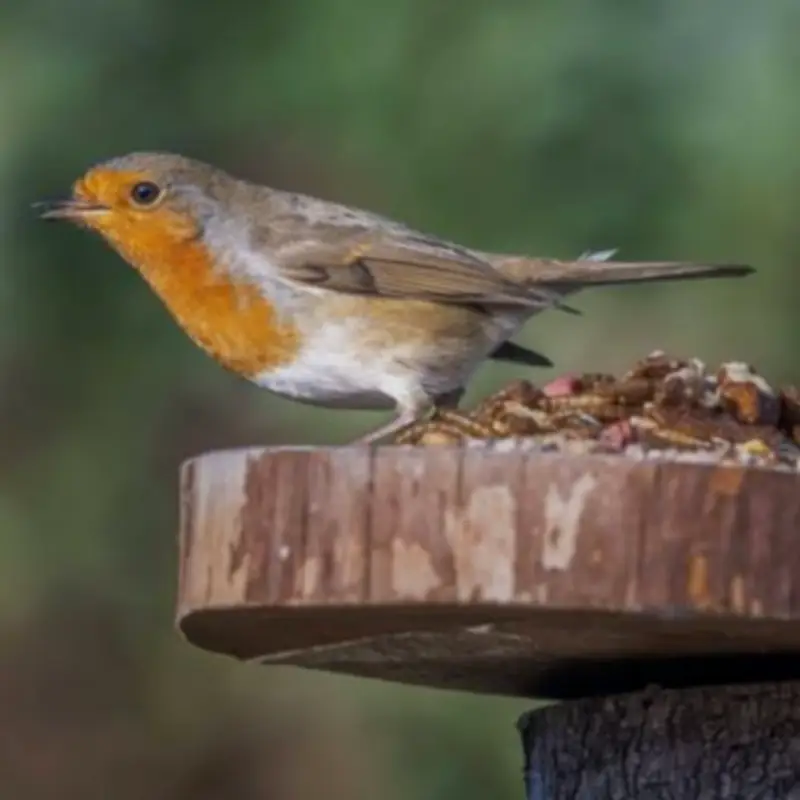
Gardeners may be making one mistake that's keeping robins away from their homes. If you want robins to regularly visit your garden, make this one expert-backed crucial change now to protect them and keep them coming back.
The Beloved Robin
Robins, those enchanting red-breasted birds we love seeing in our gardens and outdoor spaces, are Britain's most beloved bird. There's evidence to support that claim. Back in 2015, the robin topped a nationwide poll inviting Brits to vote for their preferred bird to be elevated to the status of 'UK's National Bird'. The campaign was spearheaded by ornithologist David Lindo, and the red-breasted bird triumphed convincingly, securing 34% of the 224,000 votes cast. Today, it is unofficially acknowledged as the UK's National Bird.
Not only do robins keep garden pests at bay by feasting on insects and grubs, but they also bring immeasurable delight to those fortunate enough to spot them. Many people hold the belief that these red-breasted birds symbolise a connection with departed loved ones, and the saying 'loved ones appear when robins are near' is yet another reason they are so warmly welcomed.
Year-Round Garden Visitors
While they are often associated with winter, famously depicted on countless Christmas cards, these tiny creatures can in fact be spotted in gardens throughout the year. Encouraging them to return to your garden, however, demands effort and species-specific attention. If you're amongst those fortunate enough to be visited by robins in your garden or outdoor spaces, you're likely seeking ways to keep them safe and protected, ensuring this wonderful garden guest pays regular visits and, crucially, keeps coming back.
Key Safety Measures
According to The Woodland Trust, robins are 'more likely' to spend time in your garden if they 'feel safe from predators'. The most effective way to achieve this is by relocating robins' bird feeders to a secure and sheltered spot within your garden, so these birds feel at ease. To properly protect robins, ensure the placement of your bird feeders keeps them safe from natural threats - particularly cats. If you wish for robins to continue visiting your garden and feeding regularly, it is essential to adhere to these precise guidelines.
The Trust advises: "Robins, and other birds, are more likely to spend time in your garden if they feel safe from predators like cats. Ideally, bird feeders should be positioned around 2m away from dense vegetation. This will reduce the chance of a surprise attack by cats, and means birds can still easily retreat to cover if needed."
Nest Boxes and Water Sources
It encourages gardeners to also consider nest boxes, positioned in tranquil areas 'out of the reach of cats'. The guidance is clear: "Nest boxes should be placed in a quiet area of your garden out of the reach of cats. Facing the box between north and east is ideal as this will avoid exposure to the strongest sunlight and wettest winds. Bird feeders should be cleaned regularly to prevent the build-up of harmful bacteria. Nest boxes should be cleaned, with old nests removed, each autumn. Make sure birds have stopped using the box before you take any action. By following these steps you can increase the chances of attracting not just robins, but a whole host of birds to your garden too."
In addition, avian experts also advise ensuring robins have access to water in your garden, so they remain healthy throughout the summer and continue to visit your home. Specialists at Peckish, a retailer of bird food and accessories, have shared: "Water is the most valuable commodity for birds in summer. Be sure to leave shallow trays of water out for birds, particularly during dry spells. Even better are ponds, which won't need to be topped up as often, and will also provide insects for birds to eat."




