
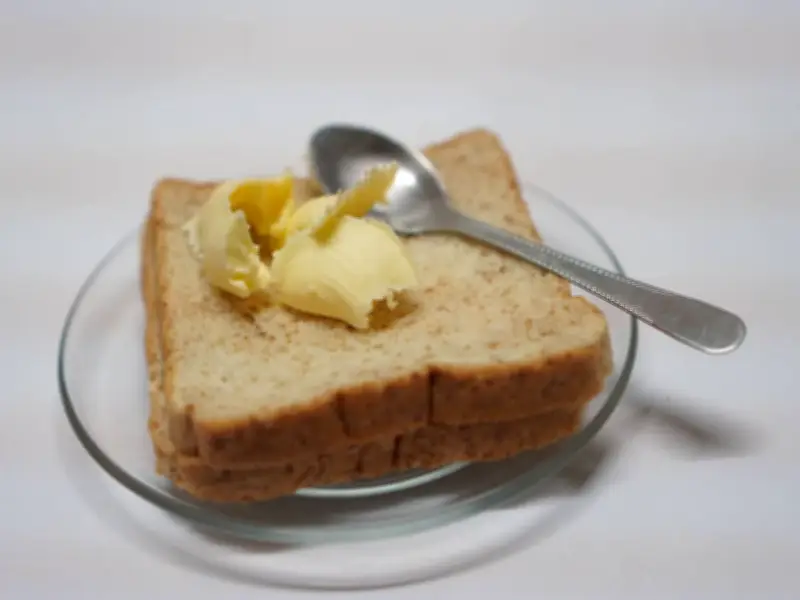
Award-winning food expert Jerry James Stone has revealed straightforward strategies for storing butter at room temperature, allowing it to stay fresh for up to three weeks without refrigeration. While the U.S. Food and Drug Administration officially recommends refrigeration, Stone argues that with proper precautions, butter can be kept safely on the counter.
Choose Pasteurized Butter
Stone stresses that the first critical step is ensuring the butter is pasteurized. "Raw butter is not common, so for the most part, you probably have pasteurised butter, but do not store raw butter at room temperature, that's really, really important," he explains in a recent YouTube video. Raw butter, which is rarely found in supermarkets, lacks the pasteurization process that kills harmful bacteria, making it unsafe for room-temperature storage.
Opt for Salted Butter
Stone's second key recommendation is to use salted butter. "The salt will actually help fight off the bad things that could happen to the butter that's not refrigerated," he notes. While unsalted butter can technically be kept out of the fridge, salted pasteurized butter is the superior choice for daily use because salt acts as a natural preservative, inhibiting microbial growth and delaying rancidity.
Store in Airtight, Dark Containers
To prevent butter from turning rancid, Stone emphasizes the importance of proper storage vessels. "To prevent that from happening, it's really important to store it in a container that's both airtight and no light gets in, so you want a dark container that's airtight," he says. Traditional butter dishes with transparent lids allow light to penetrate, which can accelerate spoilage. Stone advises against such designs, recommending opaque, sealed containers instead.
Monitor Kitchen Temperature
Room temperature varies by household, and Stone cautions that "anything above 70°F (about 21°C) you're probably better off storing the butter in the fridge." In warmer kitchens, butter can quickly become greasy and spoil. For optimal results, the kitchen should remain cool, ideally below 70°F.
Use Clean Utensils Every Time
Cross-contamination is a common pitfall. Stone warns: "Anytime you use it, make sure you use a clean utensil. Don't grab some butter with a knife, butter that toast and then go and stick that same knife back into the butter. That's really, really important." Using a freshly cleaned knife or spreader each time prevents introducing bacteria from bread crumbs or other foods into the butter.
Trust Your Senses
Stone concludes with a simple rule: "Does it smell off? Does it taste off? If you have any doubt, throw it out." Even with proper storage, butter can eventually spoil. Signs of rancidity include a sour smell, discoloration, or an unpleasant taste. When in doubt, discarding the butter is the safest option.
By following these guidelines—choosing pasteurized salted butter, storing it in an airtight dark container, keeping the kitchen cool, and using clean utensils—butter can remain fresh and spreadable at room temperature for two to three weeks, according to Stone.




