Europe's Energy Dilemma: Soaring Fuel Prices Fuel Attacks on Climate Policies
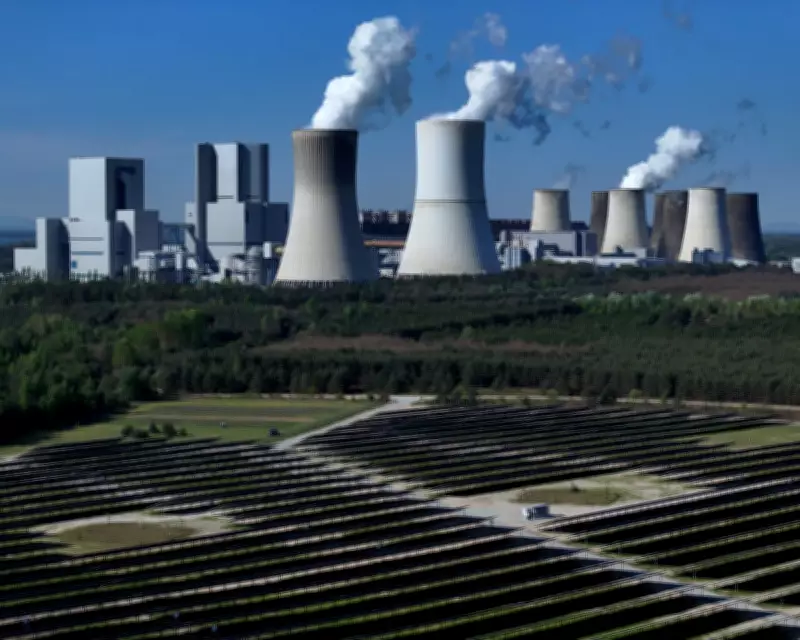
In a striking visual metaphor for Europe's energy transition, the newly inaugurated PV-Park Boxberg solar energy park in Nochten, Germany, stands in the shadow of the Boxberg coal-fired power plant. This juxtaposition captures the continent's current energy paradox: while the argument for transitioning to renewables appears stronger than ever, mounting attacks on the carbon price scheme threaten to undermine the European Union's progress in cutting pollution.
The Price Shock and Political Backlash
Fuel prices have soared to ruinous levels since the Iran war left ships of oil and liquefied natural gas stranded in the Gulf. While Asia feels the most acute pain, Europe is already experiencing energy price panic, with Shell warning last week that shortages could hit the continent this month. Donald Trump's recent comments about oil procurement sent prices to their highest level since the US-Israel attack on Iran began, briefly dipping below $100-a-barrel on Wednesday amid hopes for a swift resolution.
Despite this crisis, efforts to accelerate the shift from dirty foreign fuels toward cheaper, cleaner domestic renewables remain surprisingly muted. Instead, soaring energy prices have provided lobbyists with fresh ammunition to attack carbon pricing mechanisms, claiming that the EU's flagship climate policy threatens factories and jobs. The bloc's incoming methane standards have also come under renewed fire from industry groups.

A More Prepared Europe Faces Political Headwinds
Europe finds itself better positioned for this energy crisis than the 2022 shock triggered by Russia's invasion of Ukraine. Last year marked a significant milestone as wind and solar overtook fossil fuels in the EU's power generation for the first time, thanks to officials hastening renewable rollout through streamlined permitting processes. The cost of clean alternatives continues to fall, making solar panels, electric vehicles, heat pumps, and batteries more accessible to households than during the previous crisis.
Yet political winds have shifted dramatically. EU officials and national leaders have begun unwinding key parts of the Green Deal they previously championed. The dominant centre-right group in the European Parliament, wary of right-wing populist attacks on climate policy and eager to appease struggling industries blaming green regulations, has made near-term "competitiveness" its top priority, pushing pollution costs to the background.
Germany's Retreat and External Pressures
The political shift is particularly evident in Germany, Europe's largest polluter. The country is watering down laws to phase out gas boilers implemented after the Russian invasion of Ukraine. Last week, Germany's economy minister told oil and gas executives that the EU should relax its net zero target, while implementing a blanket motorway speed limit remains a political taboo despite International Energy Agency recommendations for radical conservation measures.
External pressures compound these challenges. Last week, MEPs approved a trade deal with the US linked to Trump's demand for Europe to purchase $750 billion of American energy—mostly fossil-based—over three years. Although lawmakers cannot mandate such purchases, the deal has alarmed campaigners concerned about the signal it sends regarding energy security.
The Carbon Price Under Fire
Perhaps the greatest threat to Europe's green transition comes from attacks on the EU's emissions trading system, which puts a price on carbon pollution. Several member states and the powerful chemical lobby targeted the system even before the current crisis. On Wednesday, EU officials announced plans to weaken carbon pricing by ending automatic cancellation of extra permits in a buffer pool—a move that alarmed environmental groups fearing "significantly higher" emissions after 2030.

Despite these setbacks, the situation differs from America's more open return to fossil fuels. European Commission President Ursula von der Leyen recently announced plans to mandate lower taxes on electricity than fossil fuels—a key transition lever—while boosting industrial decarbonization investments. A handful of national leaders continue calling for accelerated clean economy transitions, even as they consider subsidies to shield consumers from fuel price spikes.
A Crisis of Imagination
The scale of action outlined by climate scientists and economists remains elusive. During the 1973 oil crisis, European leaders demonstrated that emergencies could spur innovative transformations—from Dutch bicycle infrastructure and Danish wind farms to French nuclear plants and Nordic district heating systems. Today, the imperative for change has grown exponentially, yet political imagination appears to have shrunk, threatening to stall Europe's hard-won progress toward energy independence and climate stability.