EPA Watchdog Warns: 100 Toxic Superfund Sites Vulnerable to Floods and Wildfires
EPA: 100 Toxic Sites at Risk from Floods and Wildfires

EPA Inspector General Sounds Alarm on Vulnerable Toxic Waste Sites

A critical internal review by the U.S. Environmental Protection Agency's Office of Inspector General has uncovered a significant public health threat. Approximately 100 of the nation's most contaminated toxic waste sites, known as Superfund sites, are located in areas highly susceptible to flooding and wildfires. This poses a direct danger to millions of Americans living in surrounding communities, as these natural disasters could release hazardous materials.

Detailed Assessment of 157 Priority Superfund Sites

The watchdog office issued three comprehensive reports last week, meticulously evaluating the weather-related vulnerabilities of 157 federal Superfund sites prioritized for cleanup due to their severe risks to public health and the environment. The findings are stark. About 3 million Americans reside within a single mile of a Superfund site, with a staggering 13 million people living within 3 miles (4.8 kilometers). Many of these sites face multiple natural-disaster threats, compounding the risk.

The breakdown of vulnerabilities is alarming:

Wide Pickt banner — collaborative shopping lists app for Telegram, phone mockup with grocery list
  • 49 sites in coastal regions are at risk from sea-level rise or hurricane storm surges, often near densely populated areas and vital ecological zones like Chesapeake Bay.
  • 47 sites are situated in low-lying areas specifically prone to inland flooding from heavy rainfall events.
  • 31 sites are located in areas with a high risk for devastating wildfires.

Planning Failures and Public Health Consequences

Despite these clear and present dangers, the Inspector General's review found that the five-year plans governing the expensive and time-consuming cleanups at these sites frequently fail to account for potential damage from flooding, sea-level rise, more frequent storms, and wildfires. This oversight is a critical flaw.

"That is a big problem because it means the site managers are not planning mitigation measures," emphasized Betsy Southerland, a former director of the EPA's water protection division with over 30 years of agency experience. "The communities living near those sites should be made aware of this planning failure and should insist on robust plans."

The report warns that at locations with inadequate flood planning, toxic contaminants could be released into neighboring communities, and the substantial taxpayer dollars already invested in remediation efforts could be completely wasted.

Political Context and Climate Change Omission

The EPA responded by stating it is reviewing the Inspector General's findings and that the Superfund program does consider "the impacts of extreme weather events and other hazards as a standard operating practice." However, the report's context is politically charged. Last year, President Donald Trump fired EPA Inspector General Sean O'Donnell at the start of his second term.

Notably, the new review makes no mention of "climate change," a term the Republican administration has systematically removed from federal websites. Despite this omission, the reports clearly outline the risks a warming planet poses to these hazardous locations.

"Although President Trump may wish to ignore it, the fact is the climate is changing and we need to be proactive," said Lara J. Cushing, a professor at UCLA who studies climate impacts on toxic sites. She praised the reports as "noteworthy and important," warning of "increasingly frequent cascading natural-technological disasters that poison communities and local ecosystems."

Echoes of Past Disasters and Investigations

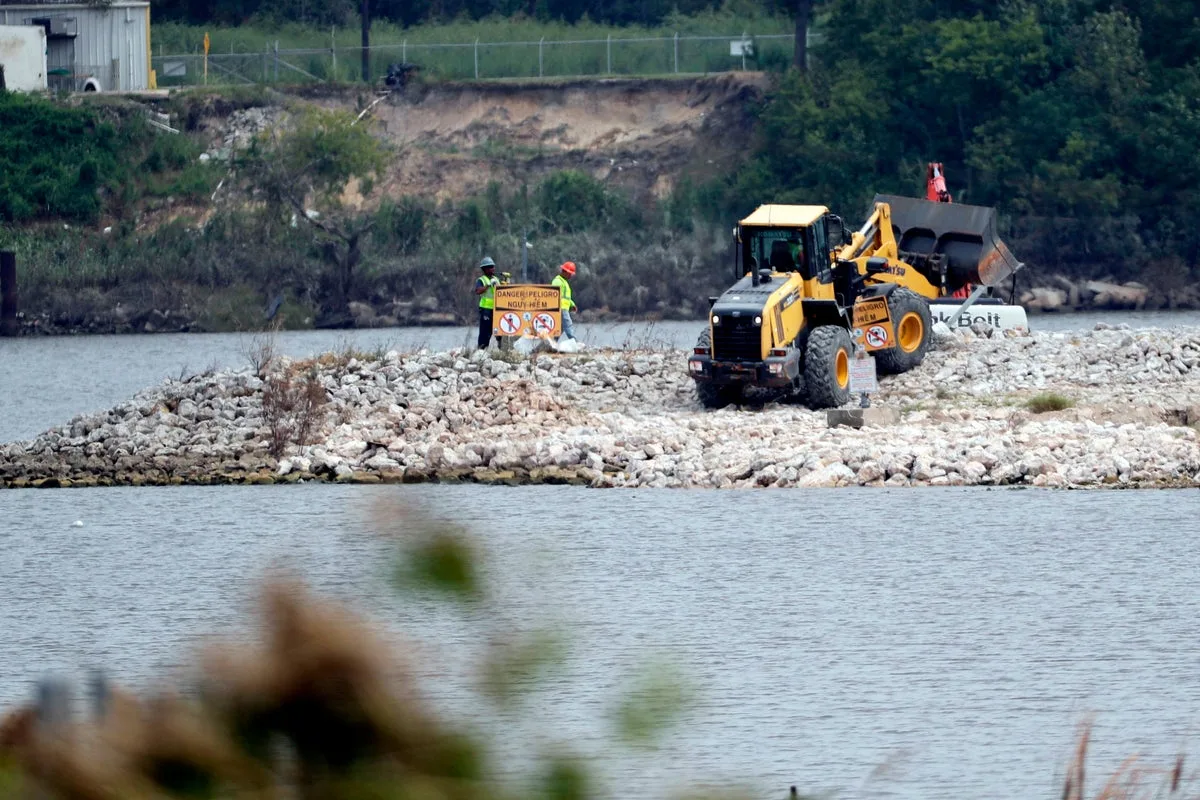
The Inspector General's findings resonate with a 2017 Associated Press investigation that identified 327 Superfund sites vulnerable to climate-change-driven flooding. That AP review was prompted by Hurricane Harvey, which caused extensive flooding in Houston, impacting seven Superfund sites and triggering spills from tanks holding cancer-causing waste.

Pickt after-article banner — collaborative shopping lists app with family illustration

The new EPA report confirms that during Harvey, dioxin chemicals were carried by floodwaters into streets, yards, and homes near the San Jacinto River—an area originally highlighted by AP's reporting. At the time, the Trump-led EPA dismissed the AP's findings as fear-mongering "yellow journalism." President Trump has repeatedly called climate change a hoax, blocked renewable energy projects, and promoted fossil fuel use.

"This series shines a light on potential threats to federal facility Superfund sites and the critical role of five-year reviews in addressing them," stated Kim Wheeler, spokesperson for the Inspector General's office. "By identifying sites at risk from these weather-related events, we aimed to raise awareness and encourage forward-looking planning."




