
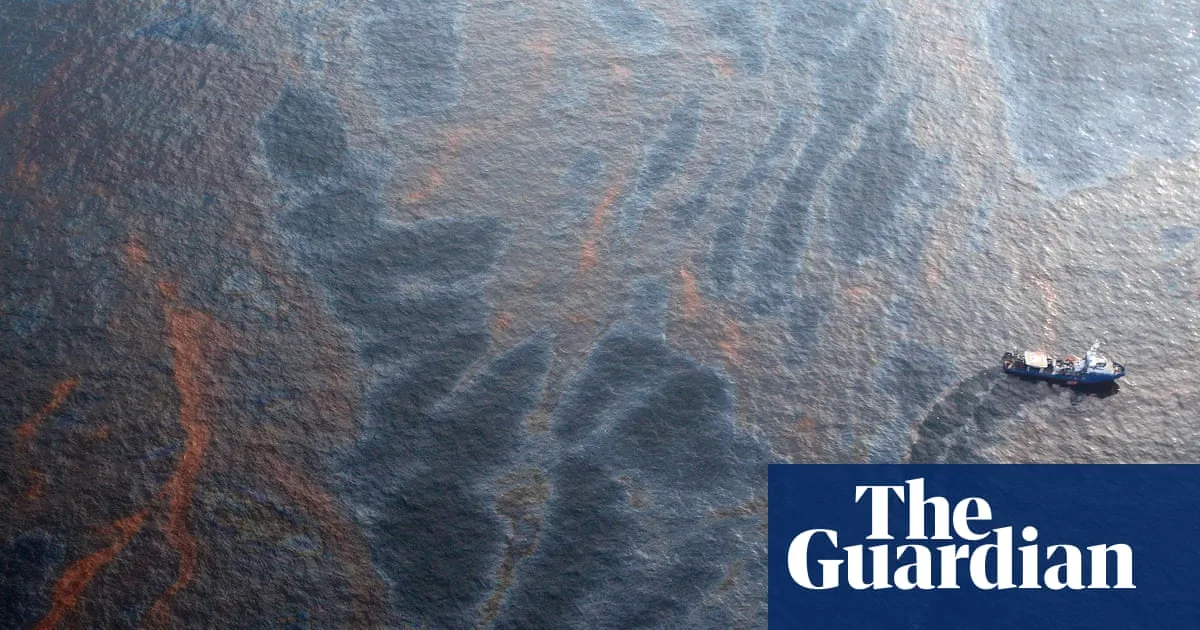
Environmental groups have filed a lawsuit against the Trump administration over its approval of BP's new ultra-deep oil drilling project in the Gulf of Mexico, on the 16th anniversary of the Deepwater Horizon disaster. The project, known as Kaskida, is located about 250 miles off the coast of Louisiana and will involve drilling equipment placed 6,000ft deep into the water, with wells extending a total of six miles into the seabed – deeper than Mount Everest.
BP's $5bn project is expected to extract 80,000 barrels of oil a day from six wells when production begins in 2029, drawing on a deposit containing 10 billion barrels. The 2010 Deepwater Horizon explosion killed 11 people and spilled over three million barrels of oil, coating shorelines across five states and severely damaging wildlife and ecosystems.
The lawsuit, filed by a coalition of five environmental groups, alleges that BP failed to provide legally required information and cannot demonstrate safe drilling at such extreme depths, where loss of well control becomes more likely. It also claims BP lacks containment capabilities to prevent a potential spill of 4.5 million barrels. BP, which is not a defendant, rejects these accusations, stating it has safely drilled over 100 deepwater projects since 2010 and has improved safety equipment.
The Trump administration has accelerated domestic oil drilling to bolster US energy independence, recently granting the oil and gas industry an exemption from endangered species laws in the Gulf. Environmentalists warn this could further threaten the Rice's whale, a species already harmed by the Deepwater Horizon spill. The groups are seeking to overturn the approval, calling the project an appalling risk to the environment and local communities.




