
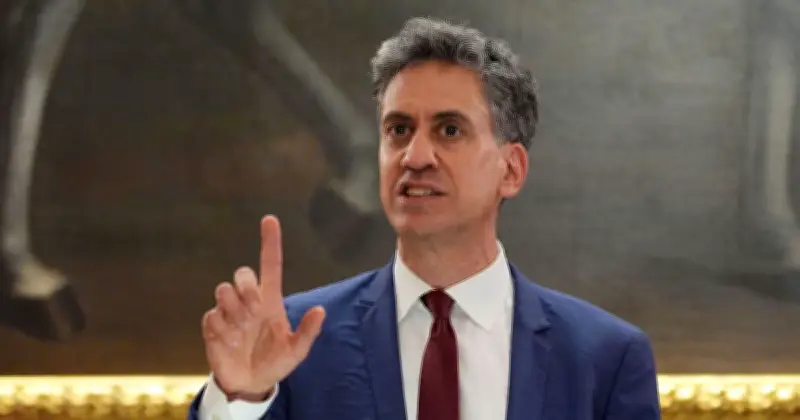
Sources close to Ed Miliband have denied that he was consulted about using North Sea drilling revenues to fund the delayed defence investment plan (DIP), contradicting reports that he vetoed the proposal. The Energy Secretary is at the centre of speculation over his role in the Treasury's plan to ramp up oil and gas extraction to cover a significant portion of the £18 billion sought by the Ministry of Defence for military programmes.
Treasury Model and Political Fallout
The Treasury reportedly modelled that increased North Sea drilling would generate enough tax revenue to fund a substantial part of the DIP. Chancellor Rachel Reeves backed the plan and presented it to the Prime Minister. However, reports suggested Mr Miliband “vetoed” the proposal, sparking tensions within the government.
A source close to Mr Miliband told The Telegraph that he was not specifically consulted about using North Sea oil and gas revenues for the DIP. The source claimed the only discussions between Mr Miliband and Downing Street were over cuts to his department’s capital budget.
Miliband's Stance on Key Projects
The source added: “Ed has refused to make decisions on Rosebank and Jackdaw despite Scottish Labour and most of us wanting him to. We got obliterated in the Aberdeen by-election because of his intransigence last week.” This highlights internal party frustration over Miliband's environmental stance clashing with economic and defence priorities.
Leadership Context and Defence Plan Delay
Speculation has also focused on whether Mr Miliband could become Chancellor under Andy Burnham, following Sir Keir Starmer's resignation as Labour leader on Monday. Mr Miliband is considered a contender for the top Treasury job, alongside former Health Secretary Wes Streeting. John Healey, former Defence Secretary, quit days before the Makerfield by-election, which Mr Burnham won, accusing the government of inadequate military funding in the delayed DIP. Sir Keir is determined to publish the plan ahead of the NATO summit in early July, despite the possibility that Mr Burnham could undo it if he becomes leader.




