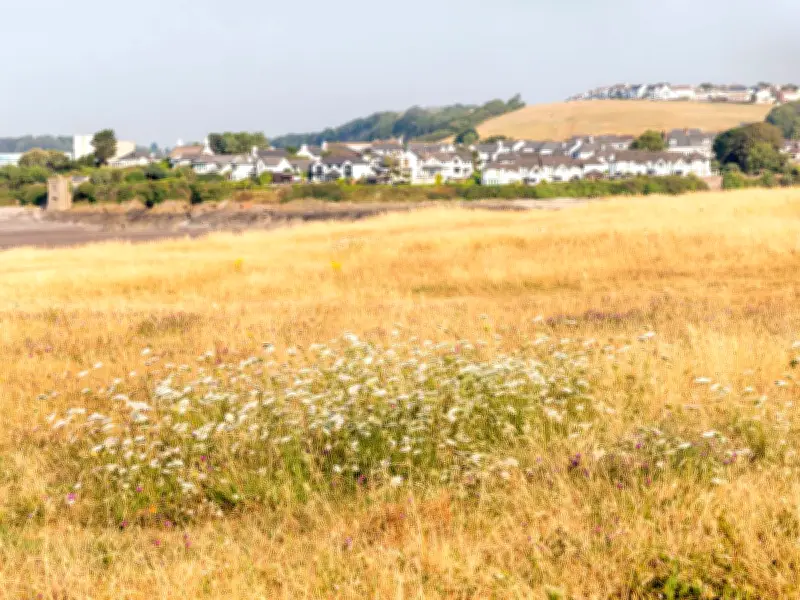
Natural Resources Wales (NRW) has declared drought status in north Wales and the Upper Severn, the first areas in the UK to reach this level this summer. The declaration follows successive scorching heatwaves, widespread wildfires, and record-low river flows.
NRW confirmed the move on Thursday, affecting north Gwynedd, Ynys Môn, south Gwynedd, Dee (Wales), Clwyd, and Upper Severn. All remaining areas in south-west Wales have also moved from "normal" to "prolonged dry weather" status, meaning every part of Wales is now experiencing either prolonged dry weather or drought conditions.
Severe conditions
Nowhere else in the UK has declared drought status, though the National Drought Group announced on Monday that several areas in England were in the pre-drought stage of "prolonged dry weather." Wales has seen three significant heatwaves, the highest-ever June temperature in Cardiff, and record-breaking overnight temperatures. July is on course to become the driest on record in Wales for nearly 190 years, unless significant rainfall arrives before month's end.
North Wales and the Upper Severn have received less than 2% of expected rainfall for July so far, with many parts having no significant rain since July 6. In contrast, Wales had 106% of its average June rainfall due to a wet start to the month. River flows across large parts of north Wales and the Upper Severn are now "exceptionally low" for the time of year, with some locations recording new monthly minimum flows or approaching record lows.
Drought stages and impact
NRW declares drought when a combination of factors shows significant shortage of rainfall and water availability, impacting rivers, groundwater, ecosystems, agriculture, and land management. The organisation classifies drought into four stages: normal, prolonged dry weather, drought, and recovery. Last year also saw drought declared in parts of Wales, but later in the summer. This year, extreme heat has accelerated the factors, and Wales has seen an increased number of wildfires.
Rhian Thomas, sustainable water and nature manager at NRW, said: "The recent wildfires across north Wales and south-east Wales are one of the clearest and most visible signs of how dry our landscapes have become. Our teams continue to work closely with fire and rescue services, local partners and land managers to respond to these incidents and reduce risks where possible."
Thomas added: "While drought status does not automatically mean water shortages for customers, it does reflect the growing pressure being placed on our environment. We are asking everyone to play their part by using water wisely and helping to protect Wales' natural resources during this exceptionally dry period."