
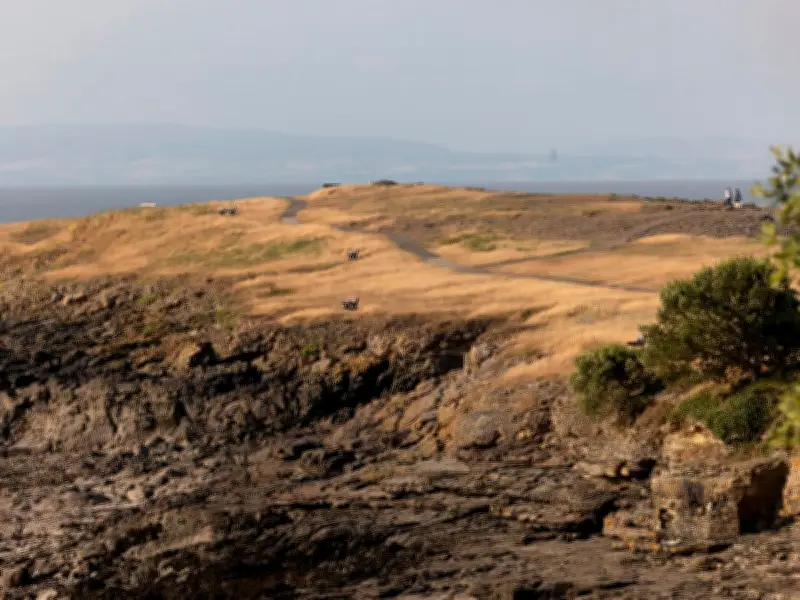
Natural Resources Wales (NRW) has declared drought status in north Wales and the Upper Severn, making them the first places in the UK to formally declare a drought this year. The announcement on Thursday followed three significant heatwaves, widespread wildfires, and a dry start to July that saw less than 2% of expected rainfall in those areas.
All of Wales now affected
NRW also confirmed that more areas in south-west Wales had moved from normal to prolonged dry weather status. The latest changes mean everywhere in Wales is now experiencing either prolonged dry weather or drought conditions.
The following areas are in drought: North Gwynedd, South Gwynedd, Clwyd, Dee, and Upper Severn. Areas in prolonged dry weather include North Ceredigion, Teifi, Pembrokeshire, Carmarthen, Wye, Swansea and Llanelli, Neath Port Talbot and Bridgend, Valleys and Vale of Glamorgan, and Usk.
Drought criteria and concerns
NRW declares drought when a combination of factors shows a significant shortage of rainfall and water availability, impacting rivers, groundwater, ecosystems, agriculture and land management. The organisation classifies drought into four stages: normal, prolonged dry weather, drought, and recovery.
Across Wales, NRW is concerned about pressure on rivers, wildlife, fish populations, peatlands, agriculture and the wider natural environment. Reports include drying riverbeds, isolated pools in smaller rivers, increased risks to fish and freshwater species, and concerns from farmers about water availability and grazing conditions.
The dry conditions have also led to significantly increased wildfire risk. North Wales has experienced several major wildfires, while a 5km wildfire in Blaenavon has been burning for several days, sending huge plumes of smoke across large parts of south Wales.
Outlook
Further dry weather is expected in the coming week, and additional hot spells later in the summer have not been ruled out. NRW has warned that without sustained and significant rainfall, conditions could deteriorate further, potentially moving more areas into drought status.




