
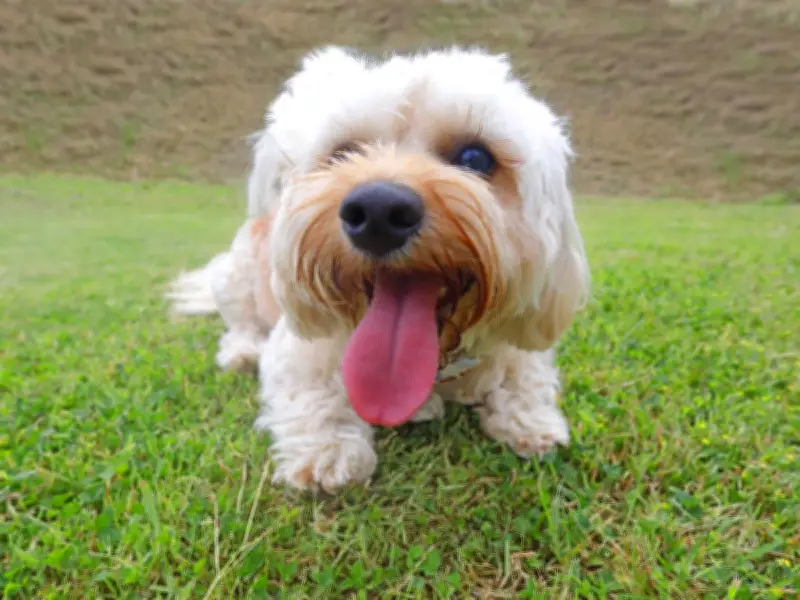
Millions of dog owners have been warned to follow a 'seven second rule' as temperatures in parts of the UK are expected to reach 30C or more in the coming days. The advice comes from Chris Maxted, director of dog gate supplier Dog-G8, who highlights the importance of checking three key areas in the garden to avoid putting dogs at serious risk.
Key Garden Checks for Dog Safety
1. No Shady Areas
Shaded areas are essential during summer, as dogs can overheat quickly. Temperatures above 20 degrees increase the risk of heatstroke, with anything over 24 degrees posing serious dangers. Ensure your garden provides adequate shade for your pet.
2. Surfaces Prone to Heat
The surfaces in your garden matter. Gravel can get stuck in paws, tarmac heats up quickly, and even artificial grass can become too hot. Use the seven-second rule: place the back of your hand on the surface for seven seconds. If it's too hot for your hand, it's too hot for your dog.
3. Lack of Outdoor Shelter
Dogs enjoy being outdoors, but if no one is home to let them inside, they should have access to a kennel or sheltered area to stay comfortable and protected.
Other Common Garden Hazards
Inadequately Secured Fence
A secure fence is vital to prevent escapes. The height should match your dog's breed, as some dogs can jump several times their height. Fences up to two meters are usually allowed without planning permission in the UK.
Gaps in the Fence
Check for gaps your dog might squeeze through or dig under. Fence panels should be sunk well into the ground and sturdy enough to resist jumping or digging.
A Weak Gate
The gate is often the weakest point. A reliable locking mechanism is important. For determined dogs, consider a secondary lock or motion-sensor alarm.
Unsupervised Roaming
Using a retractable gate between home and garden can provide added safety, preventing your dog from wandering into areas with hazards like hot appliances or open cupboards.
Toxic Plants and Chemicals
Stick to non-toxic plants like lavender, sunflowers, or calendula. Never use slug pellets, weed killers, or rat poison, as they are extremely toxic. Place harmful plants in hanging baskets or raised planters.




