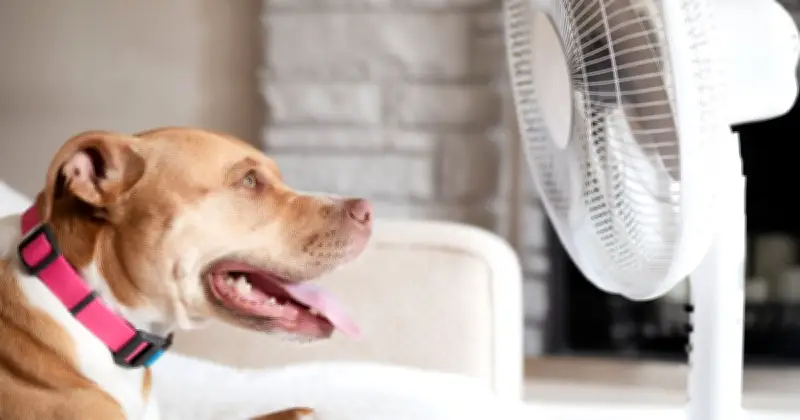
As temperatures soar across the UK, dog owners are being urged to take immediate precautions to protect their pets from life-threatening heatstroke. Pet experts warn that some breeds can develop severe symptoms within minutes if left in hot conditions.
Early Signs of Heatstroke
According to pet experts, early signs of overheating include excessive panting, thick or sticky drool, unusually red or pale gums, loss of coordination, vomiting, diarrhoea, and collapse. Owners are advised to stay alert and avoid common mistakes that could prove fatal.
General Safety Tips
To keep dogs safe, walk them during cooler morning or evening hours and check pavement temperatures before walks. Avoid completely shaving a dog's coat, as fur helps regulate body temperature and protects against sunburn; grooming is acceptable. Never leave a dog in a hot car, and ensure constant access to fresh water.
Seven Breeds Most at Risk
French Bulldog
The French Bulldog, or “Frenchie,” is a compact, muscular breed with a flat face that makes it sensitive to heat. Pet MD advises: "Strenuous activities should be avoided during the hottest parts of the day. Consider cooling mats or fans to help reduce your Frenchie’s body temperature, and ensure they have 24/7 access to fresh water."
Chow Chow
This ancient Chinese breed has a thick double coat and lion-like mane, bred for cold climates. An expert at Pet MD shared: "When not properly cared for, they can easily overheat. Regular grooming prevents matting and gets rid of excess fur that contributes to heat. Keep your Chow inside during extreme weather."
Boxer
Boxers are brachycephalic (short-nosed, flat-faced), making it harder to cool efficiently. Their high energy levels add to vulnerability. Avoid walking them during peak daytime temperatures and always check pavement heat.
Pekingese
According to Pet MD: "Pekingese can’t tolerate hot weather because they have a long, thick coat and because they’re brachycephalic. They may benefit from a summer haircut to help them stay cool, and they should always be kept inside during the hottest parts of the day."
Saint Bernard
Originally bred for rescue in the snowy Swiss Alps, Saint Bernards have thick, insulating coats suited to cold climates. They struggle in hot, humid conditions. Avoid shaving their fur and keep them indoors during extreme weather.
Additional Breeds
The list also includes other brachycephalic and double-coated breeds. Owners of any dog should monitor for signs of heatstroke and take preventive measures. If symptoms appear, seek veterinary help immediately.