
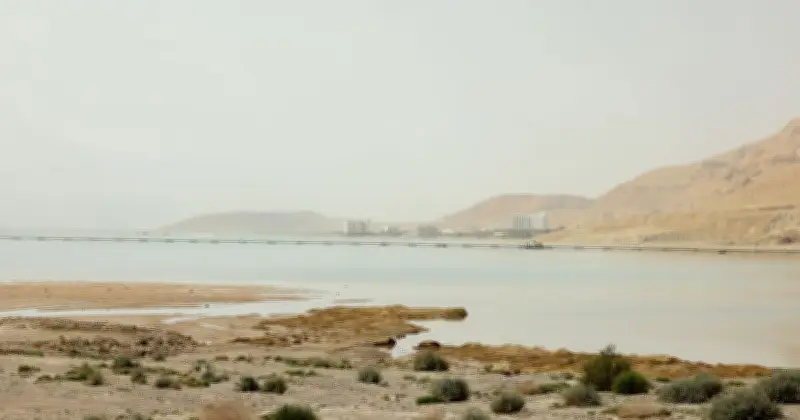
Freshwater springs and pockets of wildlife have emerged beside the shrinking Dead Sea, prompting some believers to draw links with ancient biblical visions. Scientists, however, say the changes are the result of natural processes linked to the falling water level.
Freshwater Springs Unveiled
The Dead Sea, a landlocked salt lake bordered by Jordan, the West Bank and Israel, is the lowest exposed land elevation on Earth. It has a salinity of roughly 34 percent, making it almost 10 times saltier than the ocean. Its dense waters contain high concentrations of minerals including magnesium chloride, potassium and calcium, creating conditions hostile to most aquatic life.
New freshwater pools have formed as the Dead Sea continues to retreat, exposing underground water sources that were previously hidden. Rainwater falling on higher ground around Jerusalem passes through porous limestone before entering underground aquifers. Over time, these freshwater systems move towards lower ground, eventually reaching areas around the Dead Sea. As the shoreline recedes, springs that were once covered by salty waters are being uncovered.
The exposed freshwater has allowed pockets of vegetation to develop, with some pools surrounded by reeds, tamarisks and other plant life. Algae, insects, birds and small aquatic organisms have also appeared, creating unexpected pockets of biodiversity beside one of the planet's saltiest bodies of water.
Biblical Connections
Some religious groups have compared the appearance of freshwater, vegetation and small ecosystems with visions described by the biblical prophets Ezekiel and Zechariah more than 2,500 years ago. In the Book of Ezekiel, the prophet describes water flowing eastwards from the temple in Jerusalem before reaching the sea. The passage states: "When these waters enter the sea, the waters will be healed, and everything that enters this river will live." The vision describes the return of life to the waters, with fishing activity along the shoreline and fruit trees growing beside the sea.
Zechariah later describes "living waters" flowing out from Jerusalem, with one stream heading towards the eastern sea, which many interpreters identify as the Dead Sea, and another towards the Mediterranean.
Images of fish near the Dead Sea have attracted significant attention, particularly after Israeli photographer Noam Bedein filmed fish moving through a freshwater pool in 2016. However, the fish were not living in the Dead Sea itself but in a separate freshwater environment created by underground springs.
Scientific Explanations
Researchers say the explanation lies in the interaction between groundwater, geology and the rapidly changing Dead Sea environment. As freshwater moves through underground rock formations, it can dissolve salt deposits beneath the surface. This creates cavities that may eventually collapse, producing sinkholes and exposing hidden springs. More than 9,000 sinkholes have reportedly been recorded on the Israeli side of the Dead Sea.
The process is a consequence of the Dead Sea's decline rather than evidence of a supernatural event. For scientists, the newly formed pools provide an example of hydrogeological change taking place in a fragile landscape.
End Times Interpretations
Some prophecy supporters have linked the changes around the Dead Sea with wider biblical predictions about the end times. However, those interpretations involve a much broader sequence of events that have not taken place. They include future conflicts involving Israel, events surrounding Jerusalem and a dramatic transformation described in later prophetic passages. Zechariah's vision includes the Mount of Olives splitting from east to west when the Lord returns, creating a valley near Jerusalem.
At present, the Mount of Olives remains unchanged, no new river is flowing from a rebuilt Jerusalem temple, and the Dead Sea itself has not been transformed into the thriving ecosystem described in the biblical vision. The freshwater pools remain small and separate from the main body of saltwater. The appearance of life beside the Dead Sea remains a remarkable natural development, but experts say it does not demonstrate that biblical end-times events have begun.




