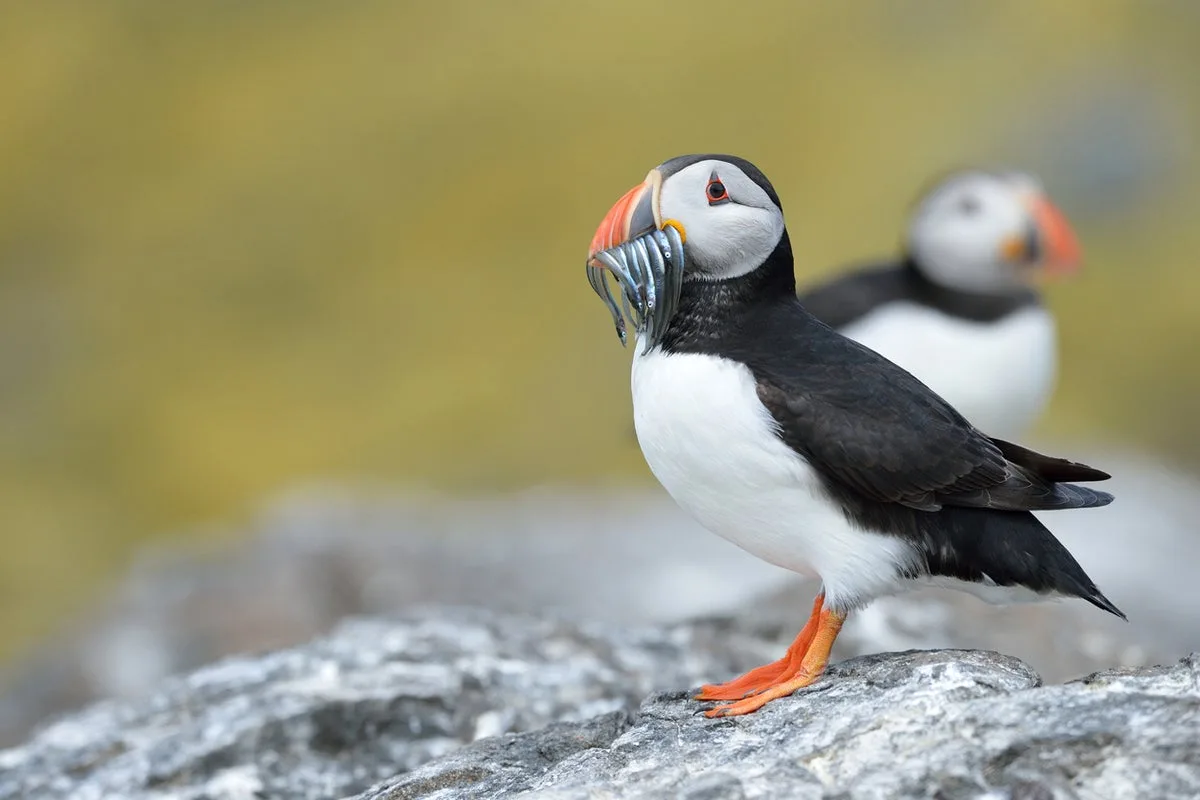
Thousands of Dead Puffins Wash Up on European Beaches Due to Climate Change
Dead Puffins Wash Up on European Beaches: Climate Change Blamed

Mass Seabird Deaths Across European Coastlines Signal Climate Crisis

February 2026 has witnessed a heartbreaking ecological tragedy unfolding along European coastlines, with thousands of dead seabirds washing ashore across the United Kingdom, France, Spain and Portugal. These mass mortality events, known scientifically as "seabird wrecks," are becoming alarmingly frequent according to marine researchers, with climate change identified as the primary driver behind this devastating phenomenon.

Unprecedented Scale of Mortality Events

Current estimates indicate staggering numbers, with over 20,000 birds recovered from French beaches alone since mid-January. The casualties include vulnerable species such as Atlantic puffins and European shags, both of which face significant conservation pressures. The RSPB has described the situation as "devastating," noting that puffins are already red-listed in the UK and that mass mortality events of this magnitude can take years for colonies to recover from.

Researchers emphasize that the birds found on beaches represent only a fraction of the actual death toll, with many more likely lost in stormy open ocean waters. The bodies recovered show clear signs of starvation and exhaustion, with skinny frames and hardened muscles indicating high lactate levels from desperate paddling in turbulent seas.

Climate Change Creates Lethal Conditions

While rising temperatures receive most public attention regarding climate change, increased storm frequency and intensity represent another critical consequence affecting marine ecosystems. This winter has seen a relentless barrage of severe weather systems across Europe, beginning with Storm Chandra in late January and followed by six additional named storms throughout February that battered Portugal, Spain and France in quick succession.

"This ensemble of storms concocted a lethal cocktail of conditions for wintering seabirds," explains marine ecologist Ruth Dunn. "The back-to-back barrage provided little respite for birds struggling with strong winds, torrential rain and high seas. They were desperately hungry but apparently unable to feed in such turbulent conditions."

Long-Term Monitoring Reveals Disturbing Trends

The Isle of May Long-Term Study, led by the UK Centre for Ecology and Hydrology and ongoing since 1973, provides crucial data for understanding these mortality events. Through systematic bird ringing programs, researchers can trace recovered corpses back to specific colonies, revealing migration patterns and survival rates.

In February 2026 alone, avian ecology expert Josie Hewitt received reports of 33 dead shags and nine dead puffins bearing Isle of May identification rings. Particularly heartbreaking are birds that survived previous crises including the 2022-23 avian flu outbreak and the stormy 2023-24 winter, only to succumb to this year's extreme weather.

Seabird Biology Makes Populations Vulnerable

Seabirds face particular vulnerability due to their life history strategies. These long-lived species, with one recovered puffin victim aged 34 years, typically breed only once annually, meaning population stability depends heavily on adult survival. Winter represents an especially challenging period when birds must forage intensively to survive cold temperatures while simultaneously building reserves for the approaching breeding season.

"When bad weather hits, seabirds can struggle dramatically," notes Dunn. "Even during summer breeding seasons when storms are less common, they become reluctant to forage in high winds and struggle to capture prey in churned-up waters. The current winter conditions have created essentially impossible foraging conditions."

Colonies Face Uncertain Future

The Isle of May provides a microcosm of the broader crisis. Once home to more than 500 noisy, active pairs of breeding shags carefully constructing nests from twigs and seaweed, researchers now describe an "eerie quietness" along the island's rocky borders. The shag population declined dramatically following the storms of winter 2023-24 and faces further devastation from this year's events.

"It's devastating to think just how few of these birds might return to the island this summer," says Dunn, who has personally witnessed the colony's decline. "Though less charismatic than puffins with their colorful beaks full of fish, shags possess their own beauty with shining black plumage, piercing green eyes and prehistoric-looking webbed feet."

Research Funding Crisis Compounds Ecological Threat

At precisely the moment when seabirds face unprecedented threats to their survival, scientific funding for long-term monitoring programs is becoming increasingly constrained in both the United States and United Kingdom. Continuation of studies like the Isle of May research remains crucial for understanding climate change impacts on marine ecosystems and developing effective conservation strategies.

"These wreck events are happening with increasing regularity, leaving less recovery time between crises," warns Dunn. "The combination of climate-driven extreme weather and reduced research capacity creates a perfect storm threatening some of our most iconic seabird species with potentially irreversible population declines."




