
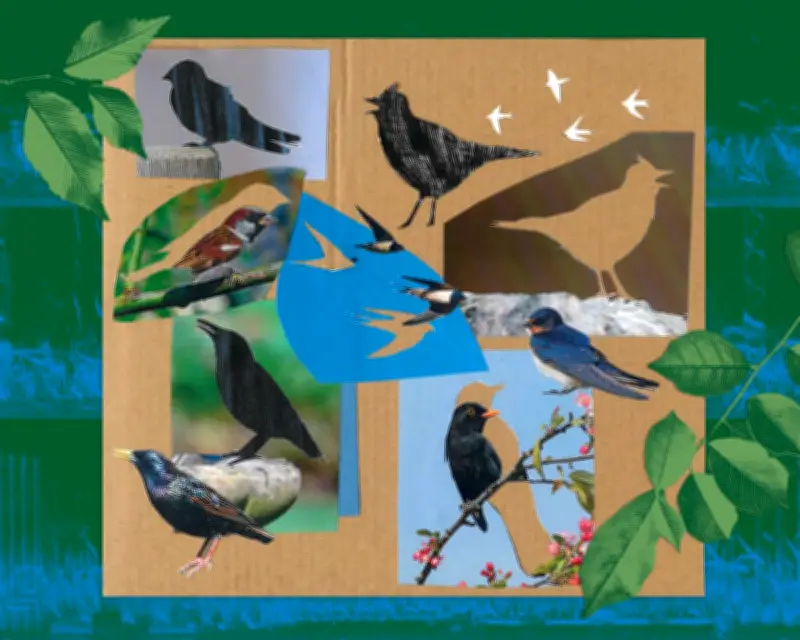
Analysis of audio recordings spanning 50 years has revealed that the UK's dawn chorus has undergone a dramatic transformation, with bird species altering their singing patterns and some voices fading away entirely. The study, led by researchers from the University of East Anglia, compared recordings from the 1970s with modern-day soundscapes, showing a stark shift in the acoustic landscape of British spring mornings.
Key Findings of the 50-Year Audio Comparison
Researchers analysed more than 1,000 hours of audio captured at 200 sites across the UK, using historical recordings from the British Library's sound archive alongside contemporary recordings made between 2020 and 2025. They found that the average number of bird species heard in the dawn chorus declined by 25% over the five-decade period. Species such as the cuckoo, nightingale, and turtle dove, once common in the chorus, have become rare or absent in many areas.
According to the study, published in the journal Nature Ecology & Evolution, the timing of the chorus has also shifted. Birds are now singing earlier in the morning and starting their songs earlier in the spring, likely in response to warmer temperatures linked to climate change. “The dawn chorus is a natural alarm clock that has been speeding up,” said Dr. Catriona Morrison, lead author of the study. “Species are adjusting their schedules to match earlier springs, but not all can keep up.”
Impact of Climate Change and Habitat Loss
The research highlights the dual pressures of climate change and habitat loss as primary drivers of the change. Urbanisation, intensive farming, and pesticide use have reduced the availability of insects and nesting sites, pushing some species to the brink. Warmer winters and earlier springs have also disrupted the delicate timing between bird migration, breeding, and food availability. “The soundscape of the British countryside is being silenced, and the birds that remain are singing a different tune,” said Dr. Morrison.
The study found that species with smaller ranges and specific habitat requirements, such as the wood warbler and spotted flycatcher, have declined most sharply. In contrast, generalist species like the robin, blackbird, and great tit have adapted better and now dominate the chorus in many areas. This shift towards a more uniform soundscape could have broader ecological implications, as bird song plays a crucial role in pollination and seed dispersal.
Regional Variations in Birdsong
Regional differences were also pronounced. Southern England experienced the greatest loss of species richness, while parts of Scotland and Wales retained more diverse choruses. “The dawn chorus used to be a symphony of different voices, but now it’s becoming a monotone in many places,” said co-author Dr. Stuart Newson of the British Trust for Ornithology. “This loss of acoustic diversity is a warning sign for the health of our ecosystems.”
The researchers emphasised that the changes are not just about nostalgia but have practical implications. Birdsong is known to improve human wellbeing, and the decline in acoustic diversity could reduce these benefits. “We are losing a natural soundscape that has been part of British culture for centuries,” added Dr. Morrison.
Conservation Efforts and Future Outlook
The study calls for urgent conservation measures, including habitat restoration, reduced pesticide use, and climate action to slow the loss of bird species. The researchers plan to continue monitoring the dawn chorus, using citizen science projects to engage the public in recording birdsong. “By listening to the changes in the dawn chorus, we can track the health of our environment in real time,” said Dr. Newson. “It’s a call to action to preserve the sound of spring for future generations.”




