Country Diary: A Long-Term Perspective on Farmland and Fells
In the heart of the countryside, a quiet revolution is unfolding as farmers and conservationists take a long-term view of the land. The rolling fells and fertile farmland, once seen as separate entities, are now being managed with an eye toward sustainability and ecological balance.
The Farm: A Hub of Sustainable Practices
Modern farming is evolving beyond traditional methods to embrace practices that protect the environment. Farmers are increasingly adopting techniques such as crop rotation, organic fertilisation, and reduced pesticide use. These efforts not only enhance soil health but also support biodiversity, creating habitats for wildlife like birds and insects.
Key initiatives include:

- Implementing agroforestry systems that integrate trees with crops.
- Using cover crops to prevent soil erosion and improve water retention.
- Promoting pasture-based livestock management to reduce carbon footprints.
By focusing on long-term viability, these farms aim to produce food while preserving the land for future generations. This shift is driven by a growing awareness of climate change and its impacts on agriculture.
The Fells: Enduring Natural Landscapes
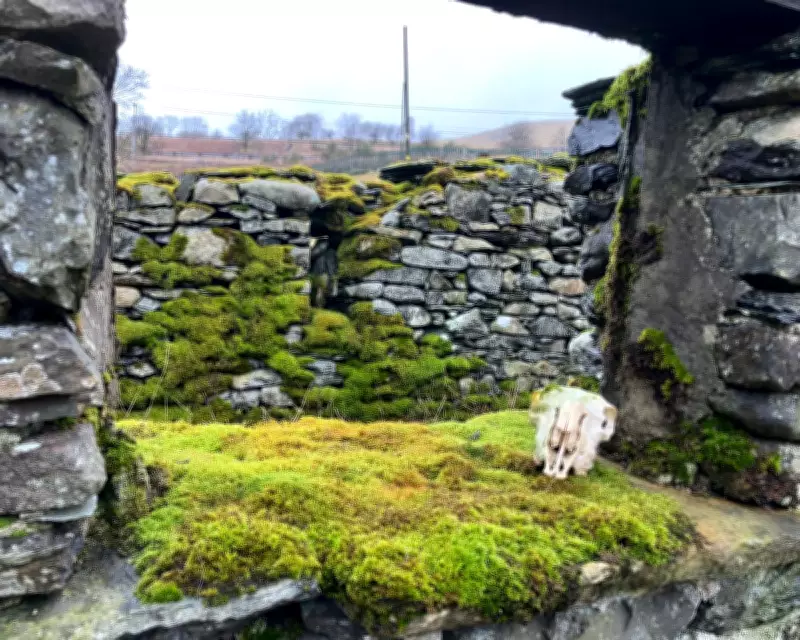
The fells, with their rugged beauty and ancient geology, stand as a testament to nature's resilience. These upland areas are not just scenic backdrops but vital ecosystems that provide services such as water filtration, carbon sequestration, and recreational spaces.
Conservation efforts in the fells focus on:
- Restoring native vegetation to combat erosion and support wildlife.
- Managing visitor access to minimise human impact on fragile habitats.
- Monitoring climate effects, such as changes in plant species and weather patterns.
Local communities and organisations are working together to ensure these landscapes remain intact. Their goal is to balance tourism and conservation, allowing people to enjoy the fells without degrading their natural value.
Integrating Farm and Fell Management
A holistic approach is key to achieving environmental goals. By viewing farms and fells as interconnected parts of a larger system, stakeholders can develop strategies that benefit both. For example, sustainable farming practices can reduce runoff into fell areas, improving water quality for ecosystems downstream.
Collaborative projects include:
- Joint research on soil health and biodiversity across different land types.
- Educational programmes that teach the public about sustainable land use.
- Policy advocacy for incentives that support eco-friendly farming and conservation.
This integrated perspective helps address challenges like habitat loss and climate adaptation, ensuring that the countryside remains vibrant and productive.
Looking Ahead: The Future of Countryside Stewardship
As we look to the future, the importance of taking a long-term view cannot be overstated. Climate change, population growth, and economic pressures will continue to shape the countryside. By prioritising sustainability, we can protect these landscapes for years to come.
Key takeaways for ongoing efforts:
- Embrace innovation in farming and conservation technologies.
- Foster community engagement to build support for environmental initiatives.
- Advocate for policies that reward sustainable practices and protect natural areas.
In the end, the farm and the fells are more than just places; they are legacies that we hold in trust. Through careful stewardship, we can ensure they thrive, offering beauty, bounty, and balance for generations to come.