Costa Rican Community Fights to Escape Landslide and Flood Perils
Costa Rican Village Battles Climate Crisis Relocation

Costa Rican Village Trapped Between Landslides and Floods Seeks Escape

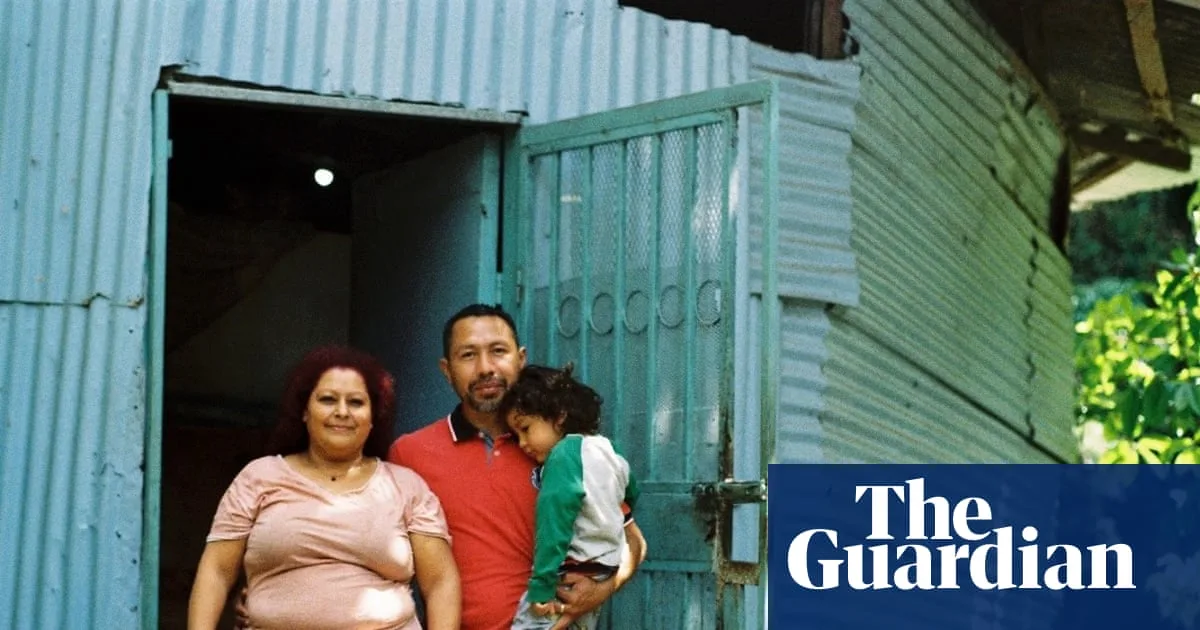
In the precarious neighbourhood of La Carpio, on the outskirts of Costa Rica's capital San José, residents face a daily battle against nature's fury. Squeezed between the unstable banks of the Río Torres and a steep, landslide-prone hillside, this community lives in what advocates describe as inhumane conditions, with official reports repeatedly declaring the area uninhabitable.

A Community Leader's Personal Crusade

Emilio Peña Delgado, who migrated from Nicaragua as a child seeking stability, now finds himself leading a desperate campaign to secure safety for his family and neighbours. Photographs in his home capture happier times - smiling family portraits in central San José, his children posing with cartoon characters - moments that feel increasingly distant as climate threats intensify.

"I want to go to a better place," Delgado says in one of his social media videos, having renamed his Facebook page Río Torres La Carpio to amplify his community's plight.

Wide Pickt banner — collaborative shopping lists app for Telegram, phone mockup with grocery list

The October Storm That Changed Everything

The crisis reached a critical point around 4am on 10 October, when Delgado awoke to the sound of rushing water behind his house. Heavy rains and winds knocked out steel panelling from his home, forcing temporary evacuation. Several homes suffered severe damage, prompting Delgado to initiate a community-led relocation effort for vulnerable families.

Patricia Meléndez Narváez, a single mother of six whose home was destroyed in that storm, now shelters at her sister's house while selling fruit to survive. "The most important thing is a stable life for myself and my kids," she explains, noting how her children grow nervous whenever it rains. "If we could build a new house somewhere away from the river it would bring us the space we need, but also the stability."

Decades of Warnings Ignored

Despite risk assessments dating back to 2007 highlighting the dangers, and a National Commission for Risk Prevention and Emergency Care report published in October 2024 confirming the area's uninhabitability, government action has consistently stalled. The latest assessment specifically recommends governmental support for family relocation, yet Delgado reports hearing nothing from authorities since its release.

Vanessa Vaglio, who works on river cleanup efforts, states bluntly: "The conditions they are living in are inhumane. While independent organisations have stepped up to help, the municipality of San José has not done enough to address the problem."

A Grassroots Solution Emerges

Delgado's initiative has gained support from Gail Nystrom, founder of the Costa Rican Humanitarian Foundation, which has worked in La Carpio for over twenty years. Their plan involves raising funds to purchase land in neighbouring Alajuela province, where affordable, sustainable shipping-container homes would be constructed.

The relocation project aims to begin with ten families, including Delgado's and Narváez's, representing a small but significant step toward safety. Nystrom emphasises: "Where these people are living is not healthy. It's uneven ground and there's always a risk of a home washing away. If we can get them to safer, more stable ground, even just a few families at a time, it will make a difference."

Costa Rica's Broader Climate Crisis

La Carpio's situation reflects wider challenges across Costa Rica as the climate crisis intensifies. Recent years have seen devastating hurricanes including Otto (2016), Nate (2017), and Eta and Iota (2020), causing hundreds of millions in damages and displacing thousands. November 2024 floods alone displaced over 800 people as rivers overflowed.

Simultaneously, water scarcity affects 42% of the population, with drought damaging agriculture, reducing water resources, and increasing migration from severely affected areas.

Pickt after-article banner — collaborative shopping lists app with family illustration

Community Resilience Against the Odds

Faced with governmental inaction, La Carpio residents demonstrate remarkable resilience. They've filled tyres with dirt as makeshift barriers against river water, while Delgado tirelessly documents their situation and campaigns for support. Most community members share Nicaraguan roots, having migrated seeking better lives, only to find themselves in another precarious situation.

"I left Nicaragua looking for a better life, and I know there is still a lot to do," Delgado reflects. "It's a long road, but we have to take it step by step."

As this rainy season concludes, families cling to hope that by the next season's onset, their circumstances might finally change - that through community determination and external support, they might achieve the safety and stability that has eluded them for so long in their vulnerable hillside homes.




