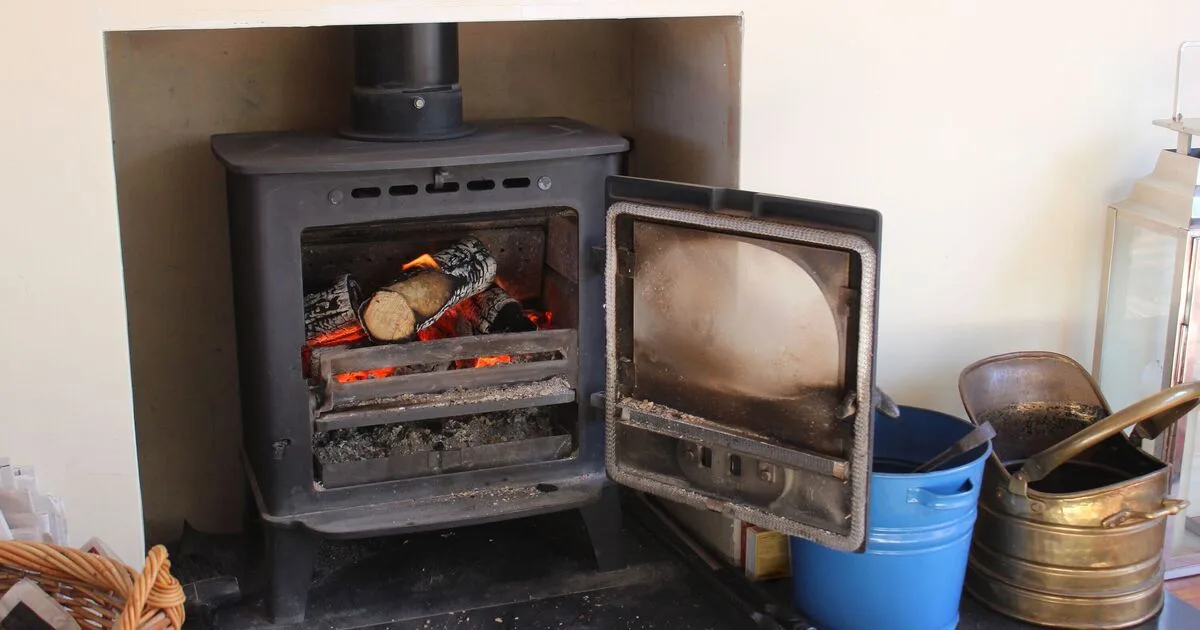
Government Consults on Banning Older Wood Burners to Combat Air Pollution
The government has launched a significant consultation on proposals to ban the sale of older wood burners and log burners that do not comply with updated air quality standards. This initiative forms part of Labour's Environmental Improvement Plan, which seeks to address indoor and outdoor air pollution through stricter regulations on domestic combustion.
Targeting Harmful Emissions
Under the proposed measures, manufacturers would be prohibited from selling older models of wood-burning stoves that fail to meet the new standards. However, existing stoves already installed in homes would be exempt from the ban, minimising immediate disruption for current users. The plan also includes enhanced enforcement of Smoke Control Areas across England, where specific restrictions on burning solid fuels in log burners, fireplaces, and chimneys are already in place.
The consultation, unveiled on Monday, invites public input on strategies to reduce environmental damage caused by wood burning in stoves and bonfires. Officials have emphasised that the process will consider the needs of those who rely on wood burning and will respect traditional celebrations such as Bonfire Night and Diwali.
Health and Environmental Goals
The government has reinforced its commitment to cutting concentrations of PM2.5—fine particulate matter linked to asthma, lung disease, and cardiovascular issues—by 30% by 2030, compared to 2018 levels. Official data indicates that domestic combustion was responsible for one-fifth of PM2.5 emissions in 2023.
The Environmental Improvement Plan highlights that solid fuel burning is a major contributor to national PM2.5 emissions and a significant source of air pollution, particularly in urban areas. According to the World Health Organisation, PM2.5 is the most harmful pollutant to human health, associated with 6.7 million premature deaths annually worldwide. These particles can enter the bloodstream and internal organs, with growing evidence connecting exposure to debilitating health conditions like cardiovascular disease and asthma.
Industry and Advocacy Responses
Campaigner Rosamund Kissi-Debrah, whose nine-year-old daughter Ella died in 2013 from an asthma attack attributed to air pollution, welcomed the revised PM2.5 target as a "win." She has been advocating for "Ella's Law," legislation that would mandate the government to achieve clean air across England by January 1, 2030, aligning with WHO standards. While acknowledging progress, she noted that the proposal is not yet comprehensive but represents a positive step forward.
Calvin May, Head of Technical Services at HETAS, the solid fuel industry body, stated that wood burners meeting Cleaner Choice standards already align with potential EIP targets, showing the industry's preparedness for change. He praised Labour's move to tighten PM2.5 targets and consult on reducing emissions from domestic burning, calling it a necessary and welcome step. May urged policymakers to collaborate with the sector on practical, enforceable solutions to support the transition to less polluting technologies and help stove owners make informed choices.
The EIP is expected to bring the UK's PM2.5 standards in line with those of the European Union, marking a shift from the previous Conservative government's 2023 plan. This consultation underscores a broader effort to improve air quality and public health through targeted regulatory measures.






