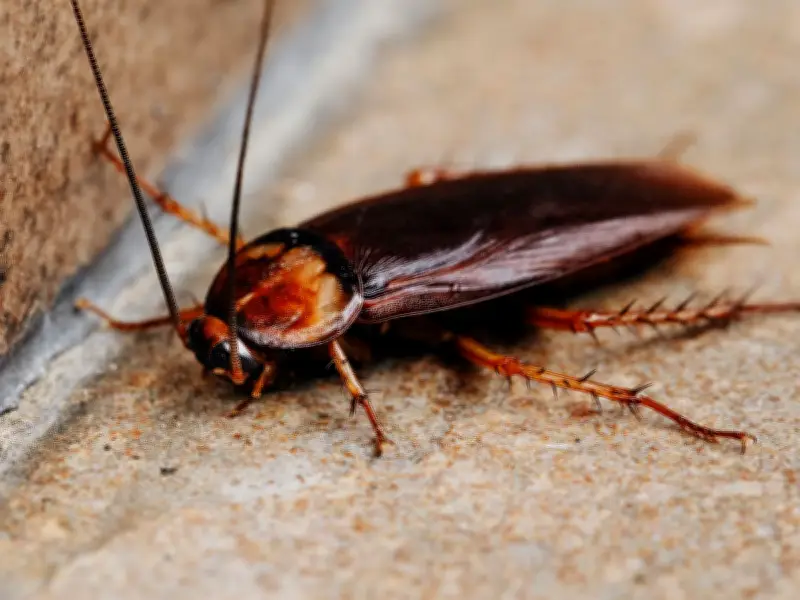
Summer heatwaves have unleashed a cockroach invasion in homes and businesses across Britain, experts have warned. The household pests are notoriously difficult to get rid of but usually prefer warmer climates, proving a particular problem in parts of the Mediterranean. However, a series of mild winters and warm summers have helped boost numbers in the UK, with more insects now able to survive the colder months and re-emerge in the spring.
Market Closure in Sheffield
In Sheffield, the indoor Moor Market recently reopened after being closed for more than two weeks to "protect public health" amid a major infestation of German cockroaches. Traders were dealt a blow shortly before midnight on June 25 when bosses told them the building would be closing for the "foreseeable future," with the council attributing the problem to "extreme and sustained hot weather." The market opened its doors again on July 13 after an "extensive" treatment programme, which included insecticide spray, gel treatments and replacement of monitoring equipment.
Rising Call-Outs Across Cities
Cardiff City Council warned in May that they were seeing a rise in pest control call-outs to deal with cockroaches, recording a 9% increase between 2024 and 2025. An Environmental Information Regulations request to Hull City Council earlier this year showed that one area - Beverley and Newland - had 34 call-outs alone in 2025, up from just eight the year prior.
Common Cockroach Types in the UK
The German cockroach is the most common variety found in the UK, usually turning up in kitchens and favouring sites behind appliances with warm motors, such as ovens or fridges. Oriental cockroaches, which are much darker in appearance with longer antennae, are sometimes seen around bins. The American cockroach and Brown-banded cockroach are also known to have breeding populations in this country, though are far less common. It is thought hotter summers and milder winters mean that cockroaches are no longer dying off seasonally, with the pests thriving in conditions between 25C and 35C.
Factors Behind the Increase
Increased overseas travel, changing consumer habits and more people living in high-density blocks of flats have also seen the pests gain a foothold in the UK. Natalie Bungay, Head of Technical at the British Pest Control Association, told the Mirror: "Cockroaches pose a direct health risk to humans. They are vectors of disease, known to carry the organisms which cause food poisoning in humans and many other bacteria, such as salmonella, staphylococcus and streptococcus. An increase in cockroach activity doesn’t usually come down to one single cause. We’re seeing a combination of pressures that can make infestations more likely to take hold and spread."
"Higher-density living is a big factor. Large cities tend to have more houses of multiple occupancy, blocks of flats and shared facilities, which give cockroaches plenty of opportunities to move between properties unnoticed. Once they get established in one flat, it’s much easier for them to spread through a building."
"Travel also plays a role. Cockroaches are very good hitchhikers and can be brought back in luggage, food packaging or personal belongings after holidays, short breaks or work travel. This is something we see across the UK, particularly in busy urban areas with a high turnover of people."
"Cost-of-living pressures may also be contributing. People are more likely to buy second-hand items such as microwaves, fridges or small electrical goods, which can unknowingly harbour cockroaches and introduce them into a home. Similarly, bulk food purchases and increased food storage can create better conditions for pests if hygiene or storage isn’t quite right."
"It’s also worth saying that cockroaches are under-reported. Many infestations go on for months before a professional is called, which can make it look like there’s a sudden spike when the issue has actually been building for some time."
How to Identify an Infestation
Bungay added that anyone who suspects they may have a cockroach infestation should contact a BPCA-member professional pest control company, who have "access to a range of professional use insecticides which are not available to the public." Signs of cockroach infestation include droppings, egg (ootheca) cases, shed skins, an obnoxious ‘sour’ odour and unexplained damage to food or packaging.