
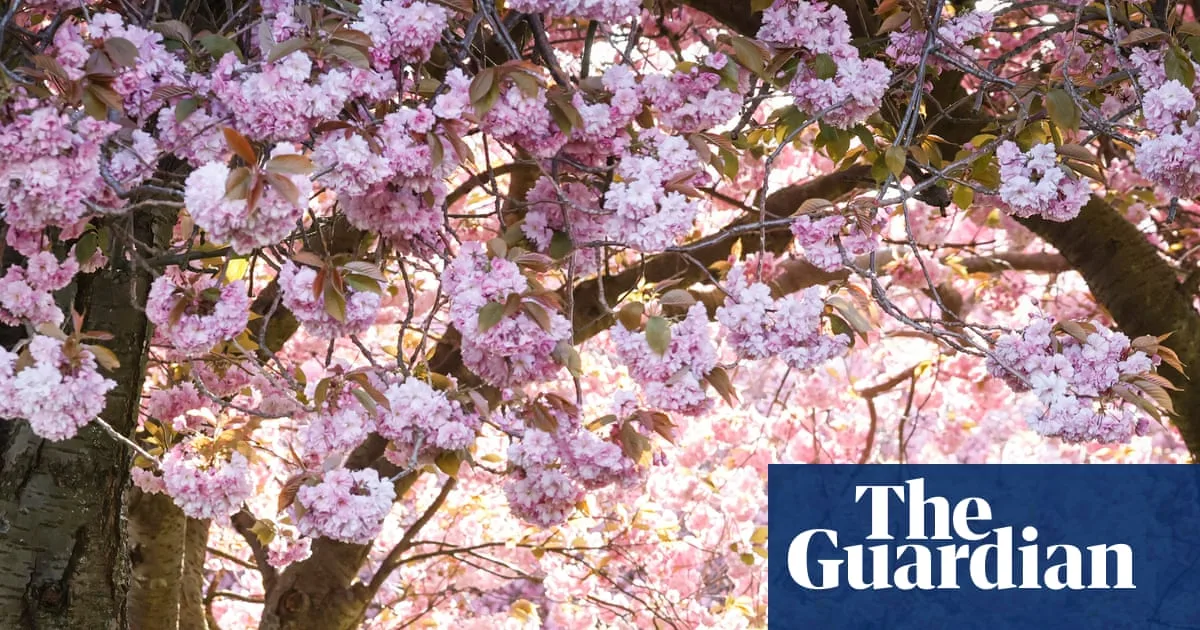
Climate breakdown has extended the pollen season in the UK and mainland Europe by one to two weeks since the 1990s, according to a new study published in the Lancet medical journal. The research, compiled by 65 scientists from 46 academic and UN institutions, found that global heating has already lengthened the pollen season, adding to the harm caused by fossil fuel pollution.
The study, part of the Lancet Countdown tracking health impacts of climate change, revealed that birch, alder, and olive tree pollen seasons began one to two weeks earlier in 2015-24 compared with 1991-2000. In southern UK, northern France, Germany, and eastern Europe, the seasonal severity of birch and alder pollen increased by 15-20% since the last report in 2024.
Joacim Rocklöv, an environmental epidemiologist at the University of Heidelberg and co-director of the report, described the change as a 'huge' increase in suffering for tens of millions of people. 'It's one of those everyday indicators that show something is getting a little worse for a lot of people,' he said. Warm weather and high carbon dioxide levels cause plants to produce more pollen, triggering hay fever symptoms that can range from mild to life-threatening.
The report also highlighted the spread of invasive species like common ragweed, whose pollen is projected to become a common health problem across Europe. Katharina Bastl, a pollen researcher at the Medical University of Vienna, noted that 'pollen allergies are a health risk of climate change' and that global warming has already impacted pollination.
Beyond pollen, the researchers found that heat deaths increased by an average of 52 per million people over the study period, while daily extreme heat warnings quadrupled. The potential for dengue transmission more than tripled, and 983 of 1,435 European regions experienced longer summer droughts. The authors urged adaptation measures such as greening cities and redirecting fossil fuel subsidies to clean energy, which amounted to €444bn in 2023.
Not all trends worsened: deaths from fine particle pollution from transport in the EU fell by 58% between 2000 and 2022, and from electricity generation by 84%. Rocklöv said this shows 'we can really benefit from the transition away from fossil fuels, and we can do it in a short time.'




