
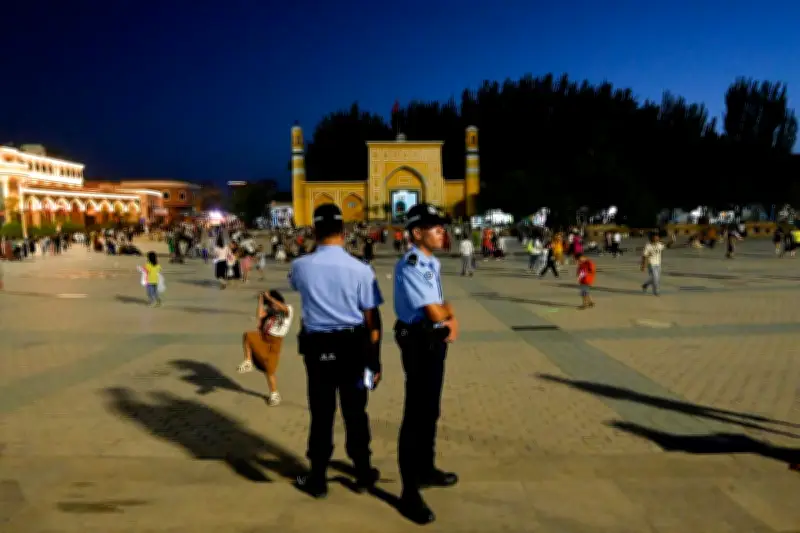
New Law Sparks International Condemnation
China's Law on Promoting Ethnic Unity and Progress came into effect on January 1, 2025, despite widespread criticism from Taiwan, the United Nations, and human rights organizations. Critics argue the legislation will further erode the rights of ethnic minorities such as Uyghurs and Tibetans and expand Beijing's ability to pursue dissidents abroad.
Key Provisions and Criticism
The law aims to forge a shared national identity among ethnic groups by strengthening Mandarin as the official language. Overseas campaigners contend it institutionalizes forced assimilation, requiring political and ideological alignment with the Chinese Communist Party (CCP). Amnesty International deputy regional director Sarah Brooks stated the law would "further institutionalise policies of forced assimilation" and push ethnic groups to adopt a single, state-defined national identity dominated by Han Chinese culture.
Extraterritorial Enforcement Clause
A controversial clause holds individuals liable for violating the law even outside China. Critics say this gives Beijing more justification for targeting opponents abroad. Nine US lawmakers, including the top Republican and Democrat on the Senate foreign relations committee, voiced stern opposition, expressing deep concern over language demanding ideological compliance with the CCP and allowing legal responsibility for people outside China deemed to undermine ethnic unity.
Official Justifications and Responses
Beijing denies rights abuses and maintains that all ethnic groups benefit from its security and development policies. Vice-minister of justice Hu Weilie defended the law as targeting "illegal acts" that undermine ethnic unity or incite separatism, calling the overseas enforcement clause "legitimate, lawful, and necessary." However, UN rights chief Volker Turk called for the law to be repealed, warning it risks deepening restrictions on freedoms of language, education, religion, culture, expression, and assembly.
Taiwan and International Reactions
Taiwan expressed strong condemnation, with its foreign ministry saying the law expands threats against people of any country whose words or actions are not acceptable to China. Taiwan's Mainland Affairs Council warned that Beijing now has "yet another law to fabricate charges" against Taiwanese people. Uyghur and Tibetan advocates urged countries to push China to strike down the law, saying it aims to erase minority communities.




