
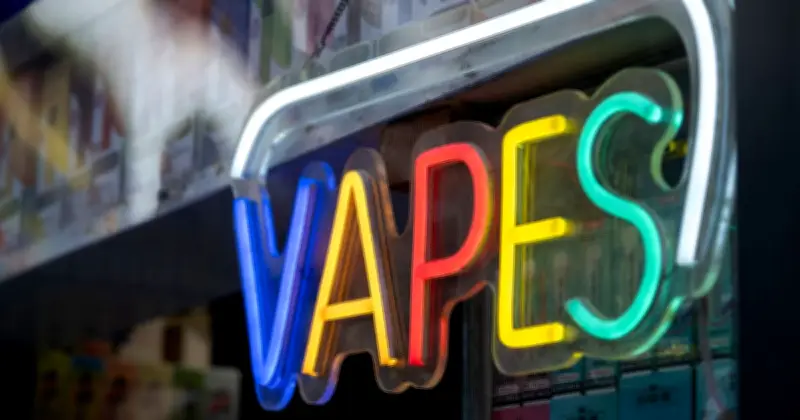
Dr Amalina Bakri, a researcher at Imperial College London and public health campaigner, has warned that the presence of the synthetic drug spice in vapes confiscated in schools should alarm every parent, teacher and doctor. She said she does not want her children “growing up in a world where walking into a vape shop and buying illegal and dangerous vapes is treated like just a normal part of growing up.”
Researchers at the University of Bath last year found that a quarter of vapes confiscated in secondary schools in London and Lancashire contained spice, a synthetic cannabinoid designed to mimic cannabis but often far more harmful and unpredictable. Dr Bakri noted that some children may not know they are inhaling a powerful synthetic drug they would never knowingly choose to take.
Government measures fall short, says campaigner
From June next year, advertising and sponsorship of vapes and nicotine products will be banned. Single-use vapes have already been outlawed, and a consultation is underway on proposals to require plain white packaging to reduce youth appeal. The Government says it will invest up to £10m of new funding per year until 2028-29 to stop illicit and underage tobacco and vape sales, including recruiting 120 new trading standards apprentices.
However, Dr Bakri argues these measures do not address the most pressing question: “What’s in these vapes, where do they come from and who’s selling them?” She said: “A toxic vape doesn’t become safe because the packaging is white or it’s kept behind a screen. If we don’t have proper testing and enforcement our children are still going to be exposed to illegal vapes; they’ll just be in less colourful packaging. In fact, it may make it harder to identify illicit vapes that are more likely to be contaminated with chemicals like spice.”
Call for licensing and enforcement
A Department of Health and Social Care spokesperson said: “Vapes that contain spice are illegal — selling them can get you up to 14 years in prison. And vapes of any kind should not be sold to children. While vaping is less harmful than smoking and can help adult smokers quit, children and non-smokers should never vape.” The spokesperson confirmed the consultation on plain packaging and the £10m annual investment.
Dr Bakri, who leads the StampOutVapes campaign, called for a strong licensing system for vape shops, which she said still does not exist, and noted that the Government has delayed a consultation on introducing one until next year. She urged local councils and central government to enforce the law properly, with stronger penalties for shops selling illegal products. “Parents and teachers can only do so much. The government needs to start treating this as a priority, not an afterthought,” she said.
Young people need support, not shame
Dr Bakri emphasised that young people addicted to these vapes need support, not shame. She called for evidence-based education, proper advice for parents, and accessible cessation support in schools. “This isn’t about rejecting regulated vapes as a tool for adult smokers to quit, something the NHS and I both recognise. But a legal vape used by an adult smoker trying to quit smoking is light years away from a child walking into a shop on the high street and buying unregulated, illegal vapes marketed to young people,” she said.




