
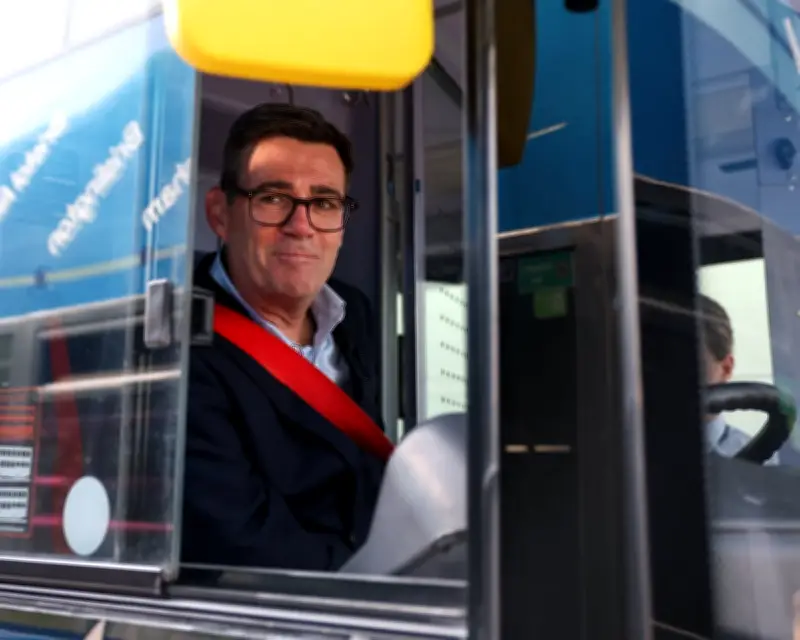
Europe's leaders welcomed Andy Burnham as Britain's seventh prime minister since the Brexit vote, expressing hope his tenure would continue the thaw in EU-UK relations. Ursula von der Leyen said she looked forward to strengthening cross-Channel ties, while Emmanuel Macron and Friedrich Merz also voiced support for deeper partnership.
Burnham's baseline instincts are pro-European: he argued against Brexit isolation in 2016 and said last year he hoped Britain might rejoin the EU in his lifetime. However, campaigning in a constituency estimated to have voted 65% leave, he clarified he was not proposing rejoining, aiming to unify the country rather than divide it further.
Domestic Focus, European Alignment
Burnham's priorities are famously domestic, but his growth agenda—centred on industrialisation, regionalism and economic sovereignty—could ultimately bring the UK closer to the EU. Joël Reland of UK in a Changing Europe argued that while Burnham may speak less about trade access, his vision for building sovereign capabilities in AI, energy and digital infrastructure mirrors the EU's strategic autonomy drive.
Burnham's desire to reduce UK reliance on foreign-owned datacentres and US-centric tech policy aligns with Brussels' tech sovereignty package, potentially leading to pragmatic cooperation on critical minerals and cloud storage. Reland noted Burnham may sound less pro-European than Starmer but is formulating an agenda that could bring London into closer line with Brussels.
Short-Term Agreements, Long-Term Integration
In the short term, the new government is expected to complete three EU-UK agreements: reducing paperwork for fresh food, linking emissions trading systems, and a youth exchange scheme for 18- to 30-year-olds. Longer term, Burnham's drive for regional regeneration—such as green manufacturing in the north—could connect directly to EU supply chain partnerships.
Jill Rutter at the Institute for Government observed that Starmer spent political capital on warm rhetoric but achieved modest economic returns due to structural red lines. Burnham faces an early choice over how much personal effort he puts into pulling the reset over the line and what price he is prepared to pay.
In short, Burnham's pragmatic domestic goals naturally overlap with EU policy, potentially achieving a quieter but more effective UK-EU partnership without shouting about it.




