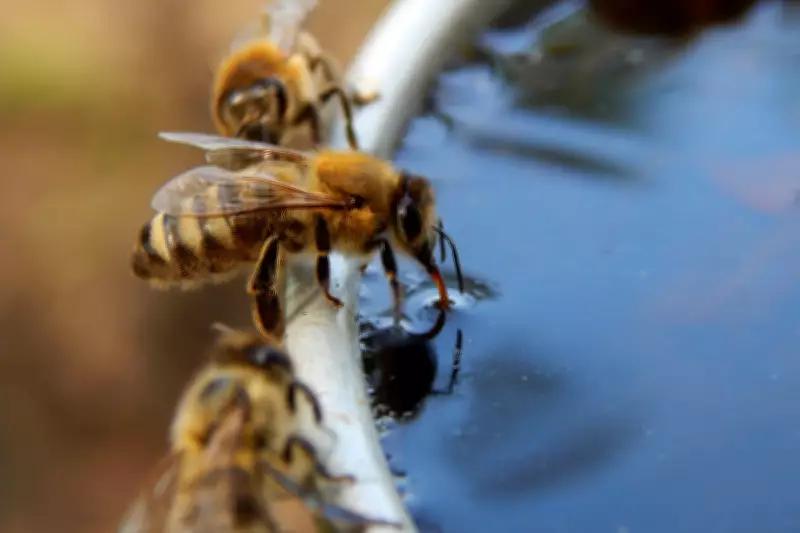
In a remarkable scientific breakthrough, researchers have uncovered that bumblebee queens possess the ability to survive underwater for as long as a week, a finding described as "extraordinary" for a terrestrial insect. This discovery sheds new light on how these crucial pollinators might adapt to environmental challenges, particularly spring floods exacerbated by climate change.
Accidental Observation Leads to Groundbreaking Research
The finding was made serendipitously by ecologist Sabrina Rondeau, who noticed bumblebee queens enduring condensation in a frosty refrigerator. This chance observation prompted a detailed investigation into their underwater survival capabilities, revealing insights that could reshape our understanding of insect resilience.
Mechanisms of Underwater Survival
Bumblebee queens achieve this feat through a combination of biological adaptations. They maintain an extremely low metabolic rate while in diapause, a hibernation-like state, which reduces their oxygen needs. Additionally, they utilise underwater gas exchange and anaerobic metabolism, and likely rely on a "physical gill" – a thin layer of air trapped around their bodies that facilitates respiration.

Implications for Climate Change and Ecosystem Health
This resilience is particularly significant in the context of climate change, as it allows queens to withstand spring floods caused by melting snow and heavy rainfall, events that are becoming more frequent and intense. Understanding this ability helps scientists predict how bumblebee populations might cope with such environmental stressors, offering hope for conservation efforts aimed at protecting these vital pollinators.
The discovery not only highlights the adaptability of bumblebees but also underscores the importance of continued research into insect biology as we face global environmental shifts. It serves as a reminder of the intricate ways in which nature equips species to survive in changing conditions.