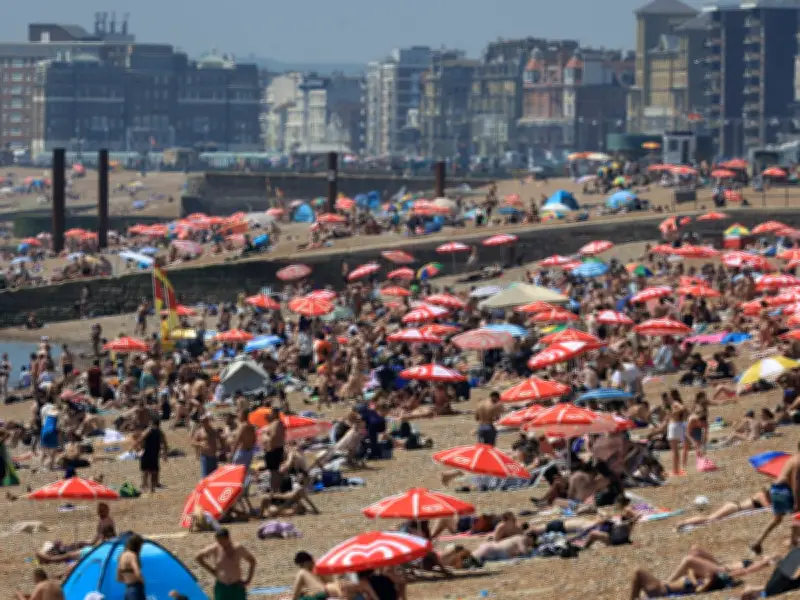
Britons are demanding the Government introduce a national heatwave resilience strategy as the country endures another extreme heat event, with babies, disabled people, and workers bearing the brunt. In Newham, East London, father Jackson struggles to keep his five-month-old daughter cool in 30°C heat, knowing a baby's room should not exceed 20°C. The family cannot install air conditioning or external shading, and four fans provide little relief.
Heat-Related Deaths on the Rise
According to the UK Health Security Agency, an estimated 10,781 heat-associated deaths in England were recorded as a direct consequence of heatwaves between 2020 and 2024. Without urgent adaptation, this figure could soar to approximately 11,000 fatal cases annually by the 2050s. Greenpeace called it a public health scandal, stating: "This is not a freak event - it's happening every single year."
Babies at Risk in Overheated Homes
A new analysis by the National Housing Federation and the Chartered Institute of Housing reveals that more than 70,000 babies in England, one in six, live in overheated homes. Overheating increases the risk of sudden infant death syndrome (SIDS). Jackson noted, "This is going to be the coldest summer of my daughter's life," and said rising temperatures make him reconsider having more children.
Disabled People and Workers Hit Hard
Becky Lee, 32, from Bristol, lives with multiple sclerosis and experiences worsened symptoms during heatwaves, including fatigue, blurred vision, and pins and needles. She plans to install air conditioning by next summer, a costly expense. A Scope survey found that a quarter of disabled people are significantly affected by hot weather.
Bus driver Darren Ford, 45, described conditions as "horrendous," with buses becoming "greenhouses on wheels." He suffers from overheating, fatigue, and dizziness during five-hour shifts. Unite the Union calls for immediate action to protect drivers from extreme temperatures.
Calls for a National Strategy
A petition urging the Government to introduce a national heat resilience strategy and legal protections for excessive temperatures in workplaces and homes has gained traction. It calls for maximum safe indoor working temperatures, minimum cooling standards for new builds, and funding to retrofit existing buildings. Darren Ford said: "I don't hear about this in Australia, Spain, Greece... why can't little old Britain do this?"
Greenpeace added: "The Government needs to stop winging it every time the country wilts in a heatwave. Extreme heat is no longer a rare inconvenience but a growing threat to public health, workers, children and critical infrastructure."