
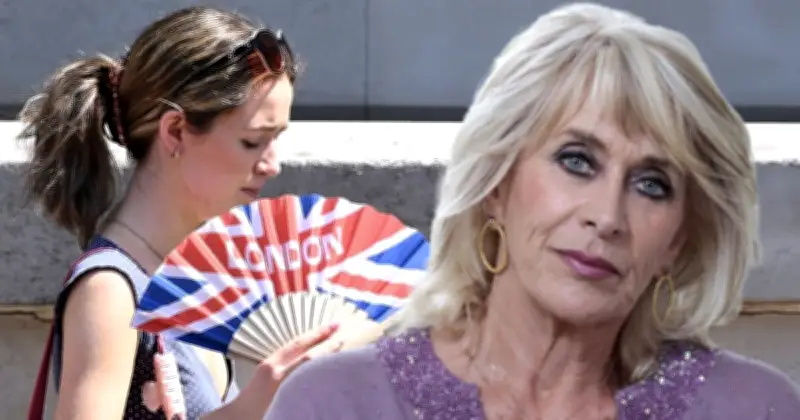
Britain's reaction to a spell of hot weather has become a national embarrassment, according to columnist Carole Malone, who argues that the country has lost its famed resilience and now treats summer as a crisis. With temperatures nearing 40°C, nearly 800 schools have closed, transport services are disrupted, and red alerts have been issued, yet Malone points out that similar heatwaves in 1911, 1906, and 1976 were managed without such upheaval.
Historical Heatwaves Handled Without Panic
Malone highlights that in 1911, summer temperatures hit 37°C, and in 1906 they reached 35°C. The infamous 1976 heatwave saw 15 consecutive days of 32°C or higher, peaking at 35.9°C, lasting two-and-a-half months with no rain. Despite severe drought and standpipes in streets, most schools stayed open, public transport ran without air conditioning, and offices continued operating. Children enjoyed the summer without anxiety, and adults simply got on with life.
Modern Britain's Softness and Excuses
Malone blames the media and the Met Office for fueling hysteria with red alerts and patronising safety messages, treating normal summer weather as an emergency. She notes that families who panic at home happily travel to hotter countries where temperatures routinely hit the mid-30s. She suggests many use the weather as an excuse to avoid work, with teachers who closed schools during Covid now eager to shut them again for heat, undermining education.
Inequality in Response
While office workers in air-conditioned buildings avoid work to go to beaches or parks, outdoor labourers genuinely suffer in 35°C-plus heat. Malone contrasts this with countries like Italy, where people continue normal life despite heat, and Africa, where children attend school in basic huts without complaint. She argues that closing schools damages learning for disadvantaged children who rely on education for social mobility.
Climate Change Hype vs Reality
Malone criticises climate change zealots for blaming every hot day on global warming, noting that the UK produces only 1% of global emissions yet spends fortunes on mitigation. She points out that more people die from cold than heat, and that no summer since 1976 has matched its severity. She ends with a wry observation that rain is forecast for the weekend, mocking the overreaction.




