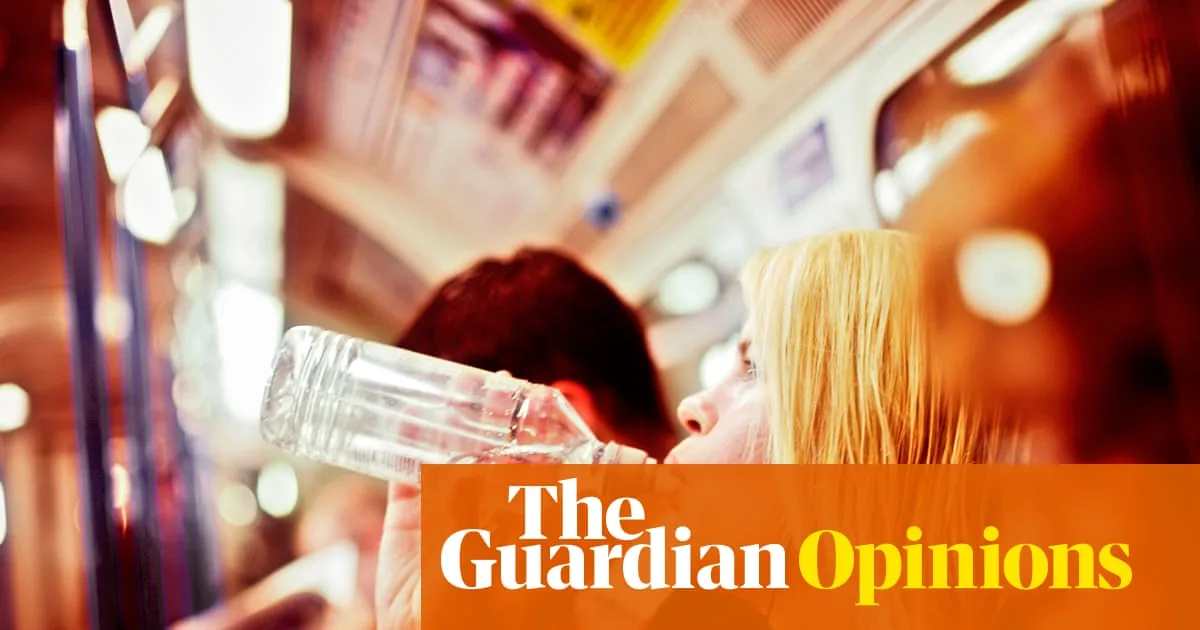
Britain in 2052: Heatwaves, Water Scarcity, and Food Rationing Become the Norm
Britain in 2052: Heatwaves, Water Scarcity, and Food Rationing

Heatwaves are becoming the norm. This is what Britain will look like in the year 2052. Bill McGuire, professor emeritus of geophysical and climate hazards at University College London, paints a stark picture of a future that could become reality if we fail to act now.

A Glimpse of July 2052

On the last day of July 2052, the climbing sun reveals a city still sweltering in residual heat. From the air, London resembles a colossal refugee camp. Streets, gardens, and parks are teeming with tents and makeshift shelters, where residents have spent another uncomfortable night away from the heat traps their homes have become. After six days with temperatures peaking at about 40°C, another scorcher is on the way.

Half-hearted attempts to upgrade insulation across the country's housing stock ran out of steam and cash decades earlier. Most homes still have few barriers to infiltrating heat. Almost all electricity is now from renewables, bringing costs down, but the relentless onslaught of extreme weather has driven a deepening economic depression worldwide. Many have air conditioning but cannot afford to run it.

Wide Pickt banner — collaborative shopping lists app for Telegram, phone mockup with grocery list

Water and Food Scarcity

Early risers queue at standpipes for water. A succession of dry winters and a spring drought have brought water rationing across the south-east of England. Ironically, there is plenty of rain now, ending each day with electric storms and torrential rain. However, most cascades directly into overwhelmed storm drains, causing surface flooding but not alleviating the potable water shortage.

Growing crowds cluster around state-run grocery stores providing basics at affordable prices. Failed harvests at home and massively reduced food imports, as other nations stricken by extreme weather hold onto their produce, have led to rationing of bread and other staples. Supermarkets still exist but struggle to keep prices down, catering almost entirely to the wealthy.

Infrastructure Under Strain

The power is out again, as it has been intermittently since the heatwave began. The problem is transmission: extreme temperatures cause cables to sag and break, and transformers to overheat. Doors are open to let in relatively cool night air, though temperatures have not fallen below 29°C. Trailing cables lead to televisions shifted outside and laptops for office workers marooned at home by widespread transport problems. Heat and extended power outages have brought chaos to rail and tube networks, while damaged road surfaces and malfunctioning traffic lights make driving a lottery.

Every hospital is overwhelmed as incessant heat and humidity take a toll on the vulnerable—the old and the very young. The final death toll across the country once the heat abates is likely to be in the tens of thousands.

A Plausible Future?

The picture painted here is one few would entertain today, but it has every chance of coming to life if we continue blundering unprepared into a climatically challenging future. We have just experienced the hottest May day on record, setting the scene for even greater summer heat. The temperature exceeded 40°C for the first time in the UK during the baking summer of 2022, resulting in over 3,000 early deaths. Network Rail issued a "do not travel" warning, and thousands lost power. Parts of London only avoided blackouts because the National Grid paid record amounts for electricity imported from Belgium.

Now imagine this level of heat lasting a week or more. The global average temperature is currently climbing at a rate that will see a 1°C rise every 28 years, meaning the planet will be more than 2°C hotter than preindustrial times by mid-century. Temperatures close to 43°C will be possible by 2050, making this scenario perfectly feasible. Even under current conditions, three or four consecutive days above 40°C can happen.

Pickt after-article banner — collaborative shopping lists app with family illustration

Current Preparedness

As the UK Climate Change Committee flagged in its latest report, the country is not built to handle such heat. More than nine in 10 homes are not well insulated to keep out heat. By 2050, there is forecast to be a daily shortfall in water supply of 5 billion litres. The three worst UK harvests all occurred between 2020 and 2025, contributing to the loss of grain equivalent to a year's worth of bread supply. The UK currently imports 40% of its food, but as other countries' harvests are increasingly affected by extreme weather, reliance on imports will falter. India recently banned all sugar exports for four months—a policy of "we hold what we have" that will become more prevalent as climate breakdown takes its toll on global agriculture.

What Can Be Done?

This is not a done deal. We cannot stop what is coming, but we can do plenty to help us cope. At the top of the list is properly insulating the entire housing stock so homes become refuges from heat rather than death traps. Large-scale rollout of generously subsidised rooftop solar power combined with battery storage will make homes partly independent of the grid, enabling air conditioning during peak heat even when power is out. Personal rainfall harvesting, already big in Germany and other countries, will help address predicted water deficits. While the country's food strategy needs a serious rethink, encouraging home growing of fruit and vegetables can ease the burden of inevitable shortages.

However, these measures will be shadowed by the impact of a failing climate on the global economy. Several analyses forecast significant reductions in global GDP by mid-century, translating into increased hardship for UK citizens and compromising their ability to cope. A weakened national economy will leave government with less money to build the resilience needed to prevail in a hotter world.

Given that we continue to pump out CO2 equivalent to the weight of 800,000 Titanics every year, and fossil fuel corporations actively plan to expand operations, emissions reductions cannot happen fast enough to reduce the rate of heating. Consequently, 40°C-plus mid-century heat in the UK is now baked in. We need to face the fact that life in the 2050s will be very different from today, and act now. The sooner we recognise this and begin—as a nation—to prepare and adapt, the better we will meet these enormous challenges.




