
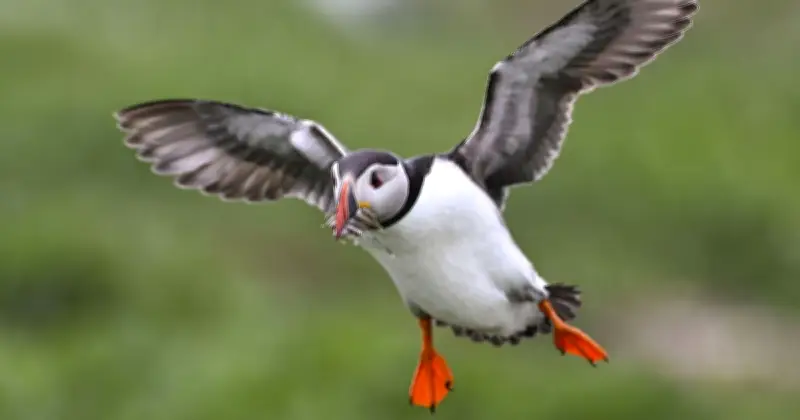
Birds across the UK have changed their behaviour because of climate change, the RSPB has warned. Upland birds and seabirds have faced steep declines in their numbers, while some southern species are expanding their ranges.
Upland and Seabird Declines
Dotterel and Golden Plover, both upland species, are facing deteriorating habitat conditions linked to changing soil moisture levels. Seabirds, including Puffin and Arctic Tern, are being impacted by warming seas, reduced food availability, and greater exposure to storms.
Many Arctic-breeding species’ winter ranges are shrinking towards the north and east as birds no longer need to cross the North Sea to find favourable conditions. This contributes to declines in the UK for birds such as Bewick’s Swan and Goldeneye, a species of duck.
Urgent Conservation Action Needed
Katie-jo Luxton, the RSPB’s director of conservation, said: “Climate change is already reshaping the UK’s birdlife, and the warning signs are impossible to ignore. Without urgent conservation action, upland birds and seabirds will continue to face rapid declines, while species from the south push northward as temperatures rise.”
“This shift is happening quickly, and the evidence underscores a stark reality: the UK’s protected areas and the matrix of land between them will become even more vital as the climate continues to change. Yet these landscapes and the areas that connect them are already under mounting pressure from development and change in land use.”
“Nature is our life support system and these birds are on the front line of climatic changes that affect us all. We must strengthen protections now and give nature the space it needs to adapt to support future generations of birds and people.”
Worst-Case Scenario Predictions
Some seabird populations could decline by more than 80% by 2050 in a worst-case emissions scenario, the RSPB said. These losses are likely to be compounded by other ongoing pressures such as habitat loss and human disturbance.
Professor James Pearce-Higgins, British Trust for Ornithology’s Director of Science, said: “This year’s record-breaking May and June temperatures will have impacted our breeding birds. This report highlights how climate change will continue to affect the UK’s birds, both through extreme weather events and the harder-to-detect effects that cascade through complex ecological communities.”




