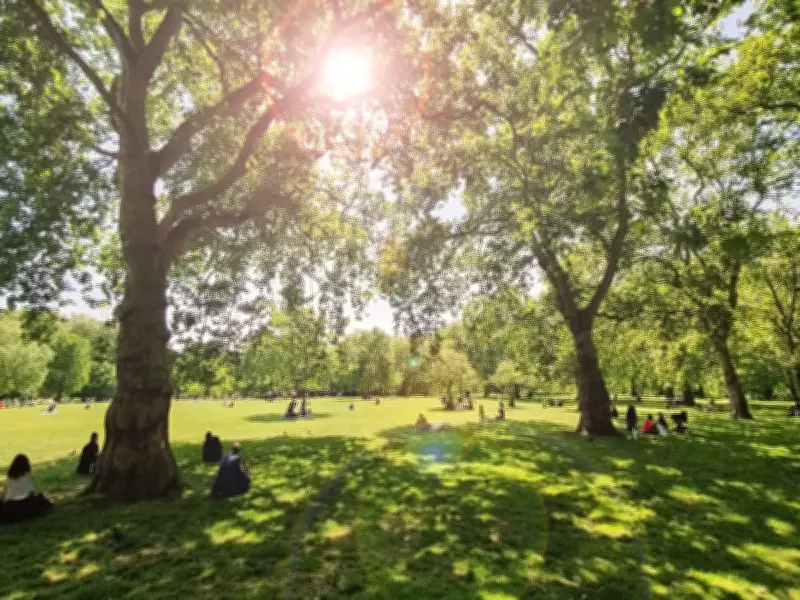
As temperatures across the UK approach 40C, with London set to hit 37C on June 24, many people are turning to fans and cold showers to stay cool. However, consumer group Which? warns that taking a freezing cold shower could actually make you feel hotter.
Why Cold Showers Can Backfire
Which? explains: "Don’t be tempted to turn the dial right round to freezing when having a shower. If your body is subjected to extreme cold, it will try to regulate its core temperature by retaining heat. This will increase blood flow to your skin to warm it up, making you feel even hotter."
Instead, they recommend using cool or lukewarm water, then letting yourself air dry rather than using a towel. The evaporation of water from your skin creates a cooling effect.
Bedtime Tips for Hot Nights
Experts also advise against sleeping naked during a heatwave. Which? says: "Trying to sleep in a heatwave can be torture, and you may think the easiest way to keep cool at night is to completely strip off. In fact, it’s best to wear some clothes, provided they are thin, loose and cotton-based. They will act as a wick for sweat, increasing the surface area for sweat to evaporate from and helping you feel cooler."
For hot sleepers, investing in a cooling mattress may also help.
Recognising Heat Exhaustion
The NHS lists symptoms of heat exhaustion as tiredness, dizziness, headache, nausea or vomiting, excessive sweating with pale and clammy skin (skin colour changes may be harder to see on brown or black skin), cramps in limbs and stomach, high temperature, thirst, and irritability. Symptoms are similar in adults and children. Those affected should be cooled down and given fluids.
Heatstroke Is a Medical Emergency
Heatstroke symptoms include a very high temperature, hot skin without sweating, fast breathing and heartbeat, confusion, restlessness, seizures, and loss of consciousness. The NHS stresses: "Heatstroke is a medical emergency. Get immediate medical help if someone has the symptoms of heatstroke."