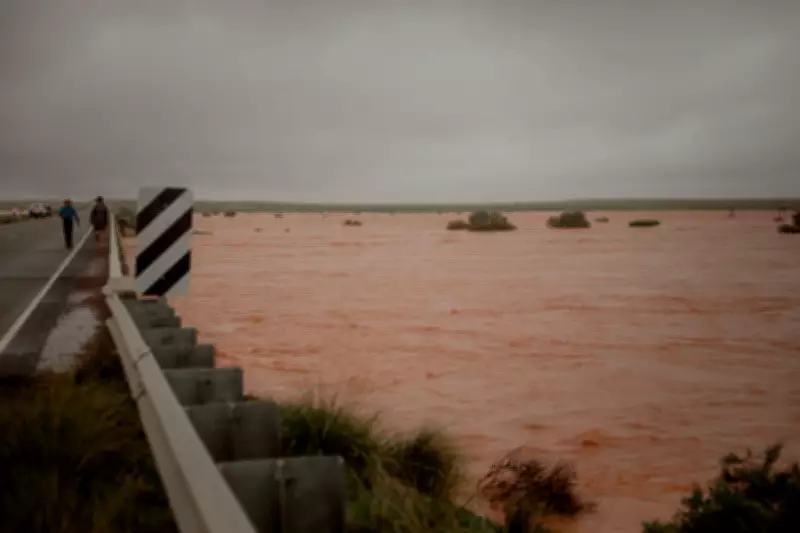
Australia is currently experiencing a severe weather crisis, with record-breaking rainfall leading to extensive flooding across multiple regions. The unprecedented downpours have overwhelmed drainage systems, causing rivers to burst their banks and submerge towns and cities.
Unprecedented Rainfall and Widespread Impact
The intensity of the rain has shattered historical records, with some areas receiving more than a month's worth of precipitation in just a few days. This has resulted in flash floods that have cut off roads, damaged homes, and disrupted essential services, leaving thousands of residents stranded and in need of emergency assistance.
Emergency Response and Evacuations
Emergency services are working tirelessly to conduct evacuations and provide aid to affected communities. Authorities have issued numerous flood warnings, urging people in high-risk areas to move to safer ground. The scale of the flooding has stretched resources thin, with volunteers and military personnel being deployed to assist in rescue operations.

Climate Change Connections
Scientists and meteorologists are pointing to climate change as a key factor behind these extreme weather events. Warmer global temperatures are increasing atmospheric moisture, leading to more intense and frequent rainfall. This trend is expected to continue, posing long-term challenges for Australia's infrastructure and disaster preparedness.
Economic and Environmental Consequences
The flooding has caused significant economic damage, with estimates running into billions of dollars due to destroyed crops, damaged property, and halted business operations. Environmentally, the floods have led to soil erosion, water contamination, and threats to wildlife habitats, further exacerbating the crisis.
As recovery efforts begin, communities are calling for stronger climate policies and improved flood defenses to mitigate future risks. The record-breaking rain serves as a stark reminder of the urgent need to address climate change on a global scale.