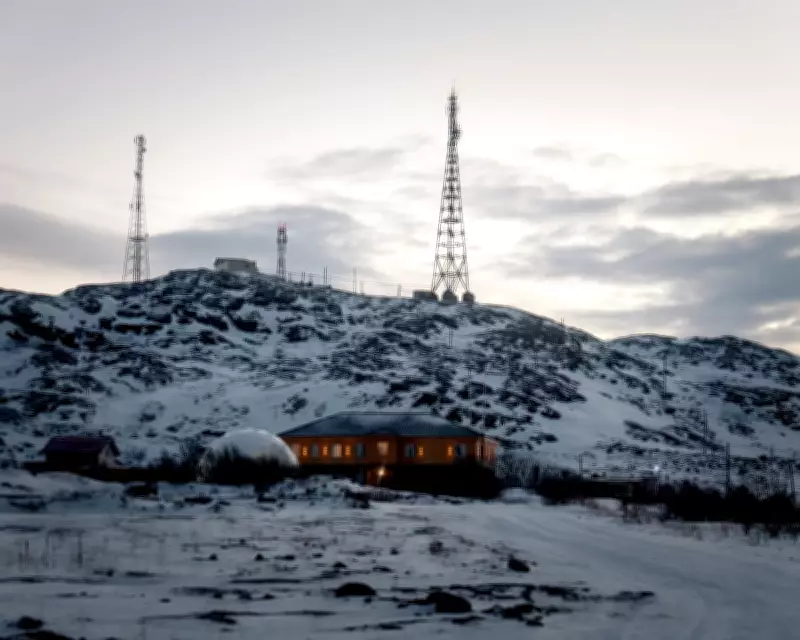
A remote fishing village on the shore of the Barents Sea might appear disconnected from global weather systems, but groundbreaking research indicates otherwise. The Barents Sea, situated off the northern coasts of Norway and Russia, is now identified as a critical driver of extreme weather events far beyond its icy waters.
Link Between Ice Loss and Heatwaves
Jilan Jiang from the Chinese Academy of Meteorological Sciences in Beijing, along with colleagues, conducted an extensive analysis of ice data and global weather patterns dating back to 1979. Their findings, published in the Journal of Geophysical Research: Atmospheres, establish a clear connection between intensified spring and summer ice loss in the Barents Sea since 2000 and the occurrence of dual heatwaves across Europe and eastern Asia.
Shifting Patterns of Ice Loss
Prior to the year 2000, ice loss was predominantly concentrated in the southern Barents Sea. However, since then, persistent ice loss has extended to the northern region as well. This expansion has triggered unusual atmospheric circulation patterns over north-western Europe and fostered high-pressure systems over east Asia, setting the stage for simultaneous heatwaves in both continents.

Implications of Rapid Arctic Warming
The study underscores how rapid Arctic warming is escalating the frequency of these extreme events. The multi-continental nature of the heatwaves amplifies risks, including widespread crop failures, public health emergencies, and significant ecosystem damage. These findings highlight the far-reaching consequences of climate change, extending well beyond polar regions.
Potential for Improved Resilience
Despite the alarming trends, increased understanding of the triggers behind these heatwaves offers a silver lining. Enhanced knowledge could lead to improved early warning systems and the development of greater resilience to extreme weather events, helping communities better prepare and adapt.
This research not only clarifies the atmospheric mechanisms at play but also emphasizes the urgent need for global climate action to mitigate the impacts of Arctic ice loss on weather patterns worldwide.