Scientists Confirm Mega-Tsunami from Ancient Asteroid Impact in North Sea
Ancient Asteroid Impact Unleashed Mega-Tsunami in North Sea

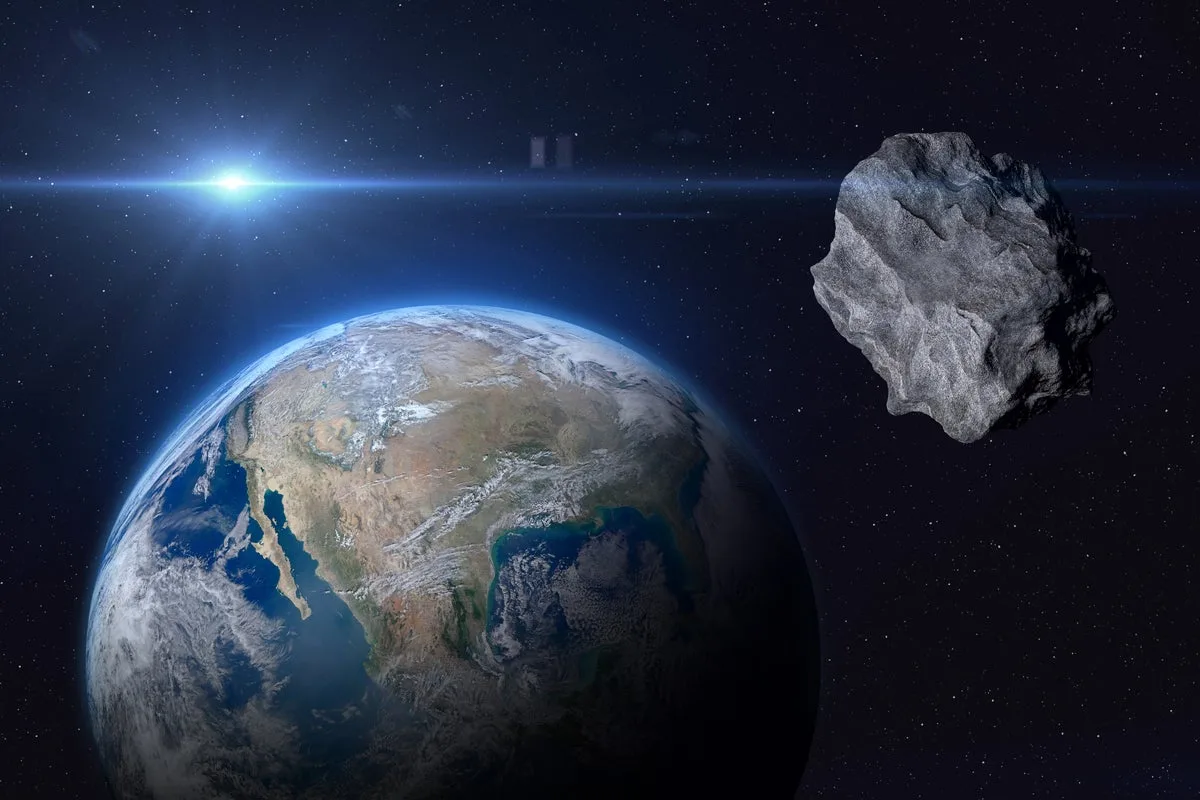
Scientists have definitively confirmed that a colossal asteroid impact off the Yorkshire coast triggered a prehistoric mega-tsunami taller than Big Ben, settling a heated two-decade controversy. New research published in Nature Communications reveals that a 160-metre-wide space rock smashed into what is now the southern North Sea approximately 40 million years ago.

The Silverpit Crater Discovery

Using state-of-the-art seismic imaging and analysis of samples from an offshore oil well, researchers have identified the enigmatic Silverpit structure as a remarkably well-preserved impact crater. This formation lies buried 700 metres beneath the seabed, about 80 miles offshore. The distinctive bullseye pattern spans three kilometres wide, surrounded by circular faults extending roughly 20 kilometres.

Decades of Scientific Debate

Since geologists first discovered the Silverpit formation in 2002, experts have been deeply divided about its origin. Competing theories included asteroid impact, unstable underground salt deposits, or volcanic subsidence. In 2009, a gathering of scientists rejected the asteroid hypothesis, leaving the mystery unresolved for years.

Wide Pickt banner — collaborative shopping lists app for Telegram, phone mockup with grocery list

The new evidence has now demolished all uncertainty. Dr Uisdean Nicholson from Heriot-Watt University in Edinburgh, who led the research team, acknowledged they have been "exceptionally lucky" in their findings. Buried at the depth of the crater floor, they discovered ultra-rare 'shocked' quartz and feldspar minerals.

Definitive Impact Evidence

These microscopic crystals bear distinctive markings created only by pressures so intense they occur during violent cosmic collisions. "These prove the impact crater hypothesis beyond doubt," Dr Nicholson stated emphatically. The research team combined new seismic imaging technology with physical samples to reach this conclusive determination.

The Catastrophic Aftermath

Based on sophisticated computer modelling, the asteroid struck from the west at a shallow angle, creating immediate devastation. Within minutes of impact, it launched a staggering 1.5-kilometre-high wall of seawater and shattered rock. When this towering barrier collapsed, it unleashed a massive tsunami across the entire region.

The resulting wave exceeded 100 metres (330 feet) in height, completely eclipsing modern storm surges and dwarfing contemporary coastal flooding events. This prehistoric giant wave would have swept across the North Sea with unimaginable force, reshaping coastlines and ecosystems.

Settling the Scientific Controversy

Professor Gareth Collins of Imperial College London, who attended the 2009 debate and contributed to the new impact simulations, described the fresh evidence as "the silver bullet" that finally settles the long-standing controversy. "We can now get on with the exciting job of using the amazing new data to learn more about how impacts shape planets below the surface," he explained.

The research represents a significant breakthrough in planetary science and Earth's geological history. By confirming the Silverpit structure as an impact crater, scientists gain valuable insights into how cosmic collisions have shaped our planet's surface over millions of years. The well-preserved nature of this crater provides an exceptional opportunity to study impact mechanics and their environmental consequences.

Pickt after-article banner — collaborative shopping lists app with family illustration




