
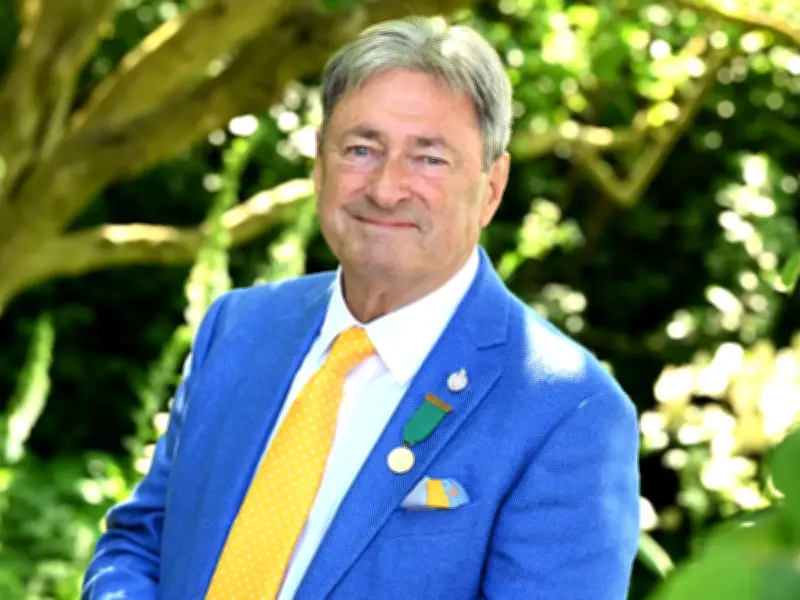
Gardening expert Alan Titchmarsh has urged gardeners to stop using sprays that can harm wildlife. In a video for the Royal Horticultural Society (RHS), he outlined three tips for creating a wildlife-friendly garden, emphasizing the need to avoid pesticides, insecticides, and herbicides.
Key Advice from Alan Titchmarsh
Alan said: "The first thing to do is to stop using sprays. Start being organic. Don't use pesticides, insecticides, herbicides - anything with this 'cide' on the end of it. Allow nature to take a hold, and you will find a natural balance occurs."
He also recommended growing a broad range of plants, mixing vegetables with flowers. "The biodiversity in the garden - the number of insect species in the garden - is greater than the number of insect species in the wildflower meadow," he added.
Why Sprays Are Harmful
Sprays, whether chemical or organic, can harm wildlife by poisoning the food chain, depleting habitats, and upsetting the ecosystem. Insecticides kill pollinators like bees and butterflies, as well as natural predators like ladybirds. Herbicides strip away vital habitats and food sources for insects, mammals, and birds. Fungicides can damage soil ecology and aquatic life.
Alan cautions against "blitzing" gardens with such chemicals, as they can wipe out beneficial wildlife. He believes allowing nature to find its own balance is preferable.
Simple Steps for a Wildlife-Friendly Garden
To protect wildlife, gardeners should avoid all sprays, grow diverse plants, and not rely solely on native wildflowers. These steps are easy to implement and can make a significant difference to the garden's ecosystem.




