Scientists have discovered a 'dramatic change' in ant behaviour directly linked to air pollution, with new research revealing that exposure to ozone causes ants to face aggression from their own nestmates. This groundbreaking study provides crucial insights into the harmful effects of human activity on delicate ecological systems.
How Ants Recognise Their Own
Ants identify their nestmates through a sophisticated chemical recognition system. They produce specific molecules through their glands, with one particular set of compounds called alkenes being essential for creating each colony's unique odour signature. These alkenes contain carbon-carbon double bonds that ants acquire immediately after hatching, but these crucial compounds degrade when exposed to certain environmental chemicals.
The Recognition Process
When two ants encounter each other, they perform a chemical comparison, matching each other's smell against their colony's established odour profile. If the odours align, the ants recognise each other as nestmates and interact peacefully. However, when odour profiles don't match, ants typically become aggressive toward one another, treating the other as an intruder.

Experimental Findings
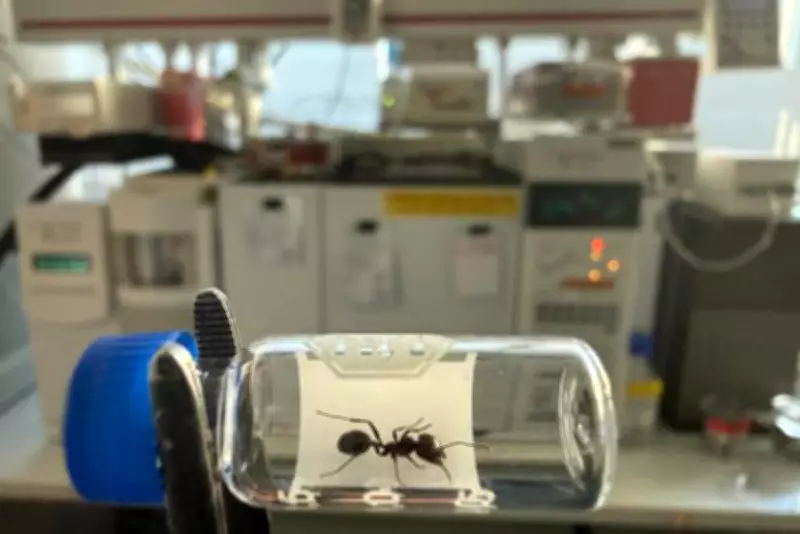
The new study specifically tested whether increasing atmospheric ozone levels would alter ants' odour signatures. Researchers exposed ants from six different species to ozone concentrations of 100 parts per billion for approximately 20 minutes - a pollution level commonly measured in urban areas during summer months. After exposure, the ants were returned to their original colonies.
The results were striking: in five of the six species tested, ants that had been exposed to ozone faced immediate aggression from their own nestmates. This indicates that even relatively brief exposure to moderate ozone pollution can degrade the key alkenes that ants rely on for recognition.
Unexpected Behavioural Changes
Markus Knaden, a study author from the Max Planck Institute for Chemical Ecology, expressed surprise at the findings. "We had expected that ozone exposure would affect the recognition of nest mates, as we knew that ants carry at least small amounts of easily degradable alkenes on their bodies," he explained. "However, we were surprised by the dramatic change in behaviour after ants had been exposed to ozone."
Broader Ecological Implications
The research reveals that despite their small quantities, alkene compounds are critically important for ants to recognise their kin. The study observed additional concerning patterns in ozone-polluted colonies, including adult ants maintaining greater distance from their larvae compared to colonies in cleaner environments. Furthermore, many larvae in polluted nests died prematurely.
Bill Hansson, another author of the study published in the journal PNAS, emphasised the broader implications: "Oxidising pollutants such as ozone and nitrogen oxides are often discussed because of their harmful effects on humans. However, we should also be aware that these manmade pollutants can cause significant damage to our ecosystems."
Key Observations
- Five out of six ant species showed increased aggression toward ozone-exposed nestmates
- Adult ants in polluted colonies maintained greater distance from larvae
- Increased larval mortality observed in ozone-exposed colonies
- Even brief exposure to moderate ozone levels caused significant behavioural changes
The findings demonstrate that air pollution doesn't just affect human health but disrupts fundamental biological processes in insect communities. As ants play crucial roles in soil aeration, seed dispersal, and nutrient cycling, these recognition failures could have cascading effects throughout ecosystems. The research highlights the urgent need to consider ecological impacts alongside human health concerns when addressing air pollution policies.