
A new study has found that air pollution can cause ants to become aggressive towards their own nestmates, shedding further light on the harmful effects of human activity on ecosystems.
Ants recognise each other by scent, relying on compounds called alkenes produced by their glands. These compounds degrade when exposed to chemicals such as ozone, which is found in polluted air. When ants encounter one another, they compare smells; if the odour matches the colony's unique profile, they are treated as kin. If not, aggression ensues.
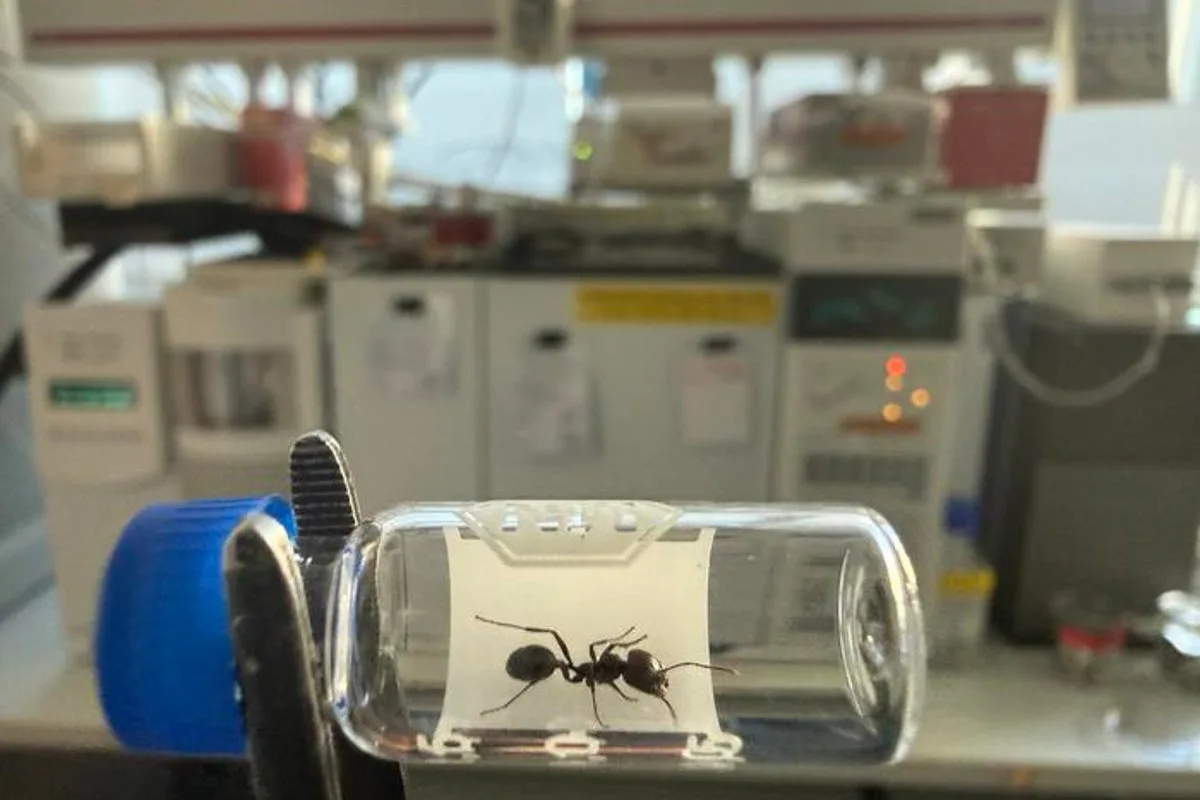
Researchers exposed ants from six species to ozone concentrations of 100 parts per billion for almost 20 minutes – a level common in polluted areas during summer. Upon returning to their colonies, the ozone-exposed ants were attacked by their nestmates in five of the six species.
“We had expected that ozone exposure would affect the recognition of nestmates... However, we were surprised by the dramatic change in behaviour after ants had been exposed to ozone,” said Markus Knaden, an author of the study published in the journal PNAS.
In some cases, adult ants in ozone-polluted colonies moved away from their larvae, and many larvae died. “Oxidising pollutants such as ozone and nitrogen oxides are often discussed because of their harmful effects on humans. However, we should also be aware that these manmade pollutants can also cause significant damage to our ecosystems,” added co-author Bill Hansson.




