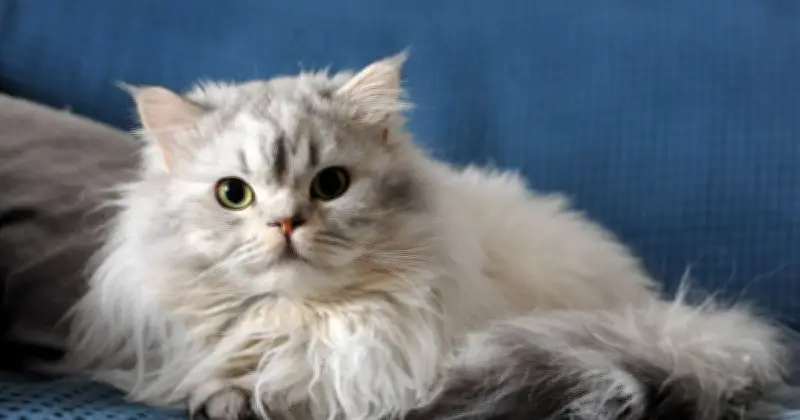
Cat owners across the UK are being urged to take immediate action as a heatwave intensifies, putting thousands of pets at risk of heatstroke. The condition is extremely dangerous and can lead to severe dehydration, organ failure, and death. According to the PDSA, a normal cat body temperature ranges between 38.1-39.2°C (100.5-102.5°F). If it rises above 40°C (104°F), the cat is at risk of heatstroke, which can cause seizures, blood clotting problems, coma, and death.
Breeds Most Vulnerable to Heatstroke
Certain cat breeds are particularly susceptible due to their physical characteristics. Flat-faced (brachycephalic) breeds struggle to release heat through their noses, while thick-coated breeds trap heat easily. The PDSA warns that even on seemingly cool days, these cats are at higher risk.
- Persians: Their flat faces and dense coats make it hard to cool down. The PDSA notes: "Cats get rid of significant amounts of body heat through their nose as they breathe out. Brachycephalic cats such as Persians struggle to release heat this way because they have much less space inside their nose."
- Himalayans: Similar to Persians, their flat faces and heavy fur increase risk.
- Exotic Shorthairs: Despite shorter coats, their flat faces impair temperature regulation even outside heatwaves.
- Burmese: A shortened nose raises their risk of heatstroke.
- Scottish Folds: Shortened noses and narrow nostrils cause breathing difficulties, making heat management challenging.
- Ragdolls: Long, dense coats and thick undercoats trap heat, especially if the cat is overweight.
- Maine Coons: Their substantial double coats and large build trap body heat, making extreme heat particularly demanding.
Signs of Heatstroke in Cats
The PDSA lists common symptoms: panting and fast breathing, bright/dark red or very pale gums, vomiting, diarrhoea (sometimes with blood), weakness, confusion, wobbliness and collapse, seizures, blindness, and unconsciousness. If any signs appear, begin cooling the cat immediately and seek veterinary advice.
Prevention Tips from PDSA
- Ensure constant access to shade and water.
- Always check sheds, greenhouses, conservatories, and cars before closing them.
- Never leave cats in a hot room or poorly ventilated space.
- Never leave cats in a car on a warm day.
- Avoid travelling with your cat when it's hot.
- Keep cats at a healthy weight; overweight cats struggle to stay cool.
Swift action is vital. The earlier a cat is cooled, the greater its chances of full recovery.