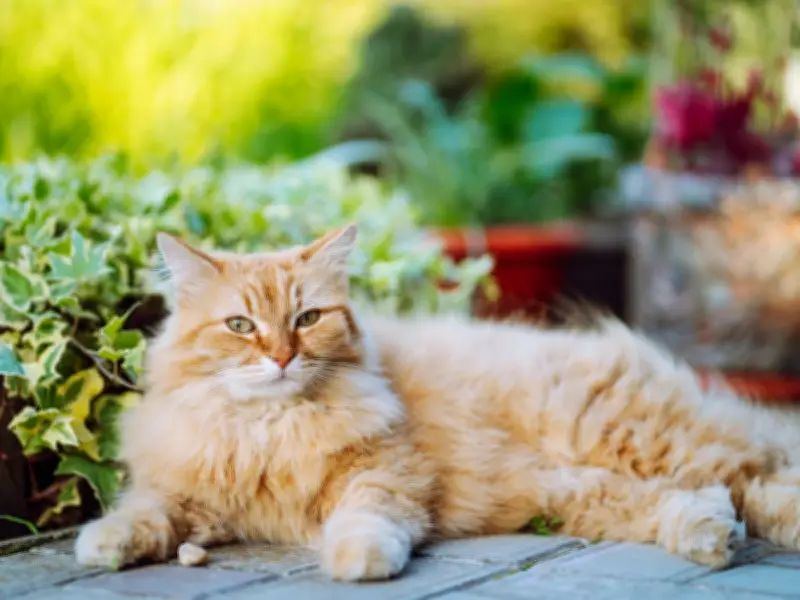
Cat owners across the UK are being urged to take immediate action as a heatwave grips the nation, putting thousands of pets at risk of heatstroke. This serious condition can lead to severe dehydration, organ damage, and even death. The most common cause of heatstroke in cats is being accidentally trapped in a hot, poorly ventilated space such as a shed or garage. However, certain breeds are at greater risk because they struggle to cool down effectively.
Why Some Cat Breeds Are More Vulnerable
The PDSA (People's Dispensary for Sick Animals) explains that a cat's normal body temperature ranges between 38.1-39.2°C (100.5-102.5°F). If their temperature exceeds 40°C (104°F), they are at risk of heatstroke, which can cause severe dehydration, seizures, blood clotting problems, organ damage, coma, and death. Brachycephalic (flat-faced) cats are particularly susceptible because they release body heat through their nose when breathing out, but their shortened airways make this process inefficient.
Seven Cat Breeds Most at Risk
Persians
Persian cats are highly susceptible due to their flat faces and long, dense coats. The PDSA notes that they struggle to release heat through their nose, putting them at higher risk even on cooler days.
Himalayans
Like Persians, Himalayans have flat faces and heavy fur, making them prone to heat exhaustion and heatstroke.
Exotic Shorthairs
Despite their shorter coats, Exotic Shorthairs have flat faces that impair temperature regulation, putting them at risk even when it is not a heatwave.
Burmese
Burmese cats have shortened noses, which increases their risk of heatstroke.
Scottish Folds
Scottish Folds have shortened noses with narrow nostrils, leading to breathing difficulties and making it hard for them to manage heat.
Ragdolls
Ragdolls have long, dense coats and a thick undercoat that trap heat easily. Their risk is higher if they are also overweight.
Maine Coons
Maine Coons have thick, heavy double coats and a large size that trap body heat. They cool down through paw sweating and grooming, which can be insufficient in extreme heat.
Signs of Heatstroke in Cats
Common signs include panting and fast breathing, bright/dark red or very pale gums, vomiting, diarrhoea (sometimes containing blood), weakness, confusion, wobbliness and collapse, seizures, blindness, and unconsciousness. The PDSA stresses that quick action is essential: start cooling your cat down immediately and contact your vet as soon as possible.
How to Prevent Heatstroke in Cats
The PDSA recommends several key steps: ensure cats have access to shade and water at all times; always check sheds, greenhouses, conservatories, and cars before closing them; never leave cats in a hot room or poorly ventilated area; never leave cats in a car on a warm day; avoid travelling with your cat when it is hot; and keep them at a healthy weight, as overweight cats find it more difficult to stay cool.