
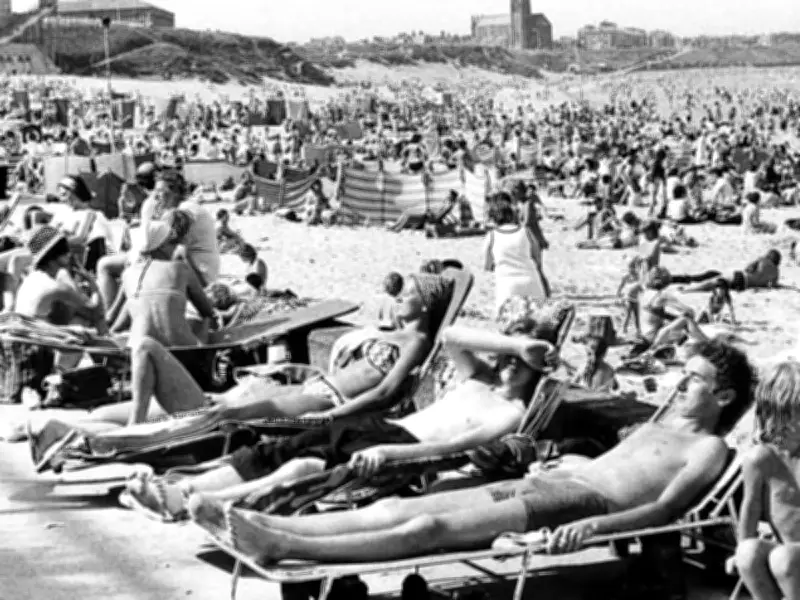
Fifty years have passed since Britain endured the legendary summer heatwave of 1976, a period that still holds records for the UK's hottest summer in terms of average maximum temperatures and sunniest on record. The heatwave, which settled in from mid-June and lasted until the end of August, brought day after day of cloudless skies and scorching temperatures, with the fiercest spell occurring between June 23 and July 8.
Record-Breaking Temperatures and Widespread Impact
Nationally, temperatures regularly exceeded 30°C across England, peaking at 35.9°C in Cheltenham on July 3. The persistent heat led to the most severe drought for generations, prompting Prime Minister James Callaghan to appoint Denis Howell as 'minister for drought'. Hosepipe bans, forest fires, and rising food and beer prices became common headlines, with the Cabinet even considering a three-day working week. Hundreds of heat-related deaths were reported, and hospitals saw a surge in admissions for sunburn and dehydration.
In the North East, daytime temperatures in Newcastle reached 25.5°C. Tyneside pubs ran out of beer due to brisk business, and ice cream suppliers were pushed to the limit. Motoring organisations struggled to cope with the high number of cars overheating on the roads, and Tyne and Wear Fire Brigade warned that heat-scorched grassy areas and forests had become virtual tinderboxes.
Social and Cultural Life During the Heatwave
The balmy weather made front-page news regularly. The Evening Chronicle reported 'Another warm week ahead' on June 23, and two days later, 'Britain scorches in Euro sunshine' noted that many cars heading to the Hoppings on Newcastle Town Moor were breaking down due to radiator overheating. The pop charts provided a memorable soundtrack, with hits like 'You To Me Are Everything' by the Real Thing, 'Young Hearts Run Free' by Candi Staton, and 'Let's Stick Together' by Bryan Ferry. On television, The Bionic Woman debuted, and the Olympic Games from Montreal saw Tyneside athlete Brendan Foster win bronze in the 10,000 metres. At Newcastle's Odeon cinema, films such as One Flew Over The Cuckoo's Nest and The Return Of The Pink Panther were showing, while the cast of Dad's Army performed at the Theatre Royal.
Heated Tempers and Calls for Siestas
The hot weather occasionally led to heated tempers. The Daily Mirror urged Britons to keep their cool amid reports of a rise in pub brawls and family punch-ups. The newspaper suggested adopting “sensible siestas” like European neighbours and “stop rushing to the seaside like lemmings”.
The End of the Heatwave and Lasting Legacy
At the end of August, the weather finally broke with welcome heavy rain on Tyneside and ferocious storms across central and southern Britain. Fifty years on, the “endless” summer of 1976 lives on in Britain's collective memory. As a Met Office spokesman explained: “The reason 1976 stands out is because of the persistence of the warm, dry, sunny conditions. It is still the UK’s hottest summer on record for average maximum temperatures, the UK’s sunniest summer on record, and an exceptionally severe event in terms of lack of rain for a prolonged period.”




