
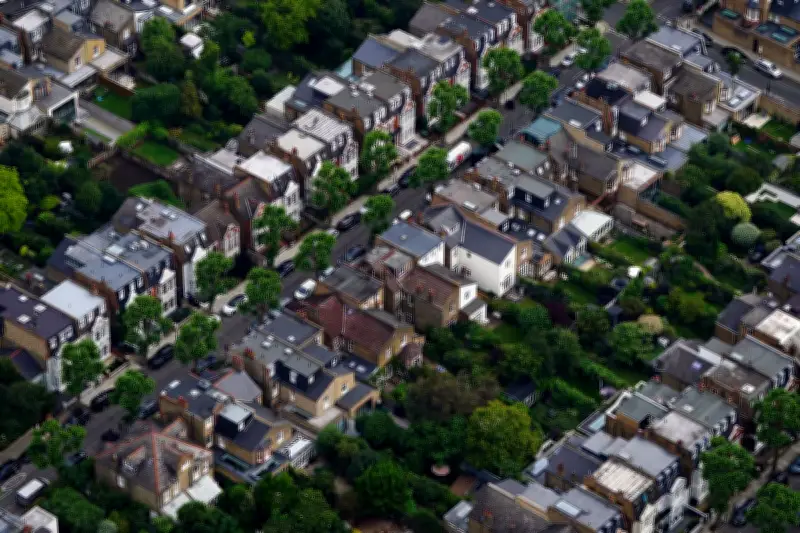
Millions of homes in London, Essex, and Kent are at risk of sinking, according to the British Geological Survey (BGS). Scientists have warned of climate-related subsidence, with drier summers causing the ground to shrink underneath buildings and drag property foundations down.
The threat is especially significant in London, where the underlying geological risk combines with particularly dense housing, while the capital is also experiencing bigger changes in temperatures and precipitation due to climate change. Subsidence can slash a property’s value, and lenders will often refuse to offer mortgages until it has been resolved.
Properties Projected to Be Affected
Signs of subsidence include diagonal cracks around window and door frames, as well as sloping floors. Affected properties often require extensive costly engineering work to stabilise the land or underpin the property.
Anna Harrison, a scientist at the BGS, said: “By combining geotechnical information about volume change potential with data about projected rainfall and temperature scenarios for the coming century, we have been able to identify the areas of Great Britain most likely to become susceptible to shrink-swell subsidence. Most are in the London area and that’s also where you’re going to see bigger changes in rainfall and temperature. It’s a double whammy. These properties might have foundations that currently can withstand the changes in moisture, but you might find in future there’s going to be more movement. It’s probably going to get worse.”
The UK experienced the warmest spring on record in 2025, as well as the driest in more than 50 years. There were also £153 million of subsidence-related insurance claims in the first six months of the year.
Likelihood of Clay Shrink-Swell Subsidence
Climate crisis projections suggest that with hotter, drier conditions becoming increasingly frequent, the number of properties susceptible to subsidence-related shrink-swell is rising. The BGS predicts that around 500,000 properties could be affected by 2070 should the world hit green targets aligned to the Paris climate agreement. However, under a more severe scenario in line with current emission trajectories, it is estimated that more than 1.8 million UK properties could be impacted.
Highly populated parts of London such as Camden and Islington are among the most susceptible, with up to 26 per cent of homes in the capital at risk under the latter scenario. Ms Harrison added: “Dry weather and high temperatures are a major factor in the emergence of shrink-swell subsidence. Looking ahead, these increases in hotter, drier summers and warmer, wetter winters are projected to continue.”




