By November, the vegetable garden may be quieter, but there is still plenty worth protecting. Kale, cabbages, Brussels sprouts, leeks, chard, winter salads and root crops can all continue to produce through colder conditions. The challenge is helping them through frost, wind, heavy rain and the animals looking for a winter meal.
Protecting Crops from the Weather
Some vegetables are quite hardy, but winter rain and frost can still have an impact. Horticultural fleece and cloches give useful protection to spinach, chard, rocket and other leafy crops, whilst still allowing light through. Heavier fleece can also provide a small but worthwhile amount of frost protection.
Ventilate cloches during mild spells to avoid humid, stagnant conditions developing and encouraging disease. Secure lightweight covers well before windy weather arrives. Tall Brussels sprouts can rock backwards and forwards in strong winds, damaging their roots. Firm the soil around the base and stake plants which are tall or unstable.
Keeping Birds Off Brassicas
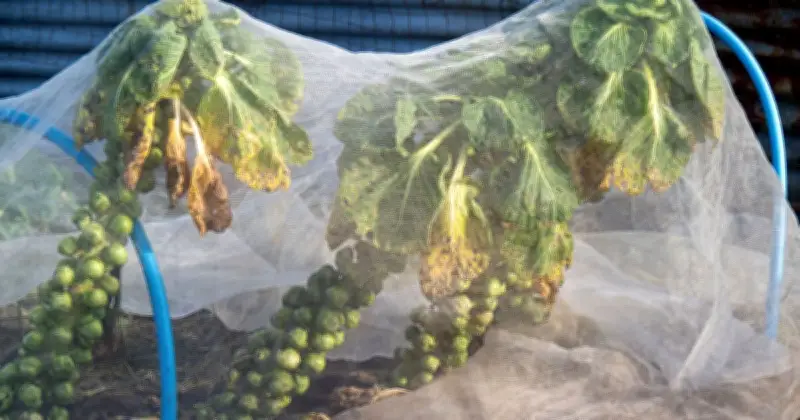
Pigeons can make quick work of kale, cabbages and Brussels sprouts once other food becomes scarce. Cover vulnerable brassicas with netting, fleece or cloches before serious damage starts. If using netting, stretch it securely over a frame rather than laying it directly across the plants. Keep it taut, secure the edges and check it regularly so birds don't become trapped, or can be freed quickly if they do. Older netting can be reused provided it is still in good condition.
Looking After Roots and Deterring Visitors
Parsnips are hardy enough to remain in the ground and can actually become sweeter after frost. Celeriac needs a little more help, so protect the crowns with a thick covering of straw, bracken or another insulating material during cold spells. A layer of organic mulch between crops can also protect the soil from heavy rain, although keep it away from leaves and crowns where excessive damp could cause problems.
Mice and other small mammals may investigate newly sown or overwintering crops. Use secure cloches or fine mesh where necessary, and avoid leaving any spilt seed or vegetable debris nearby. Slugs and snails can remain active during mild, damp weather. Check under pots, boards and crop covers, removing them by hand where necessary, and avoid creating dense, wet hiding places around young leafy crops.
The aim isn't to make the vegetable garden wildlife-free. Protect the crops you want to eat with well-fitted physical barriers, while leaving hedges, log piles, undisturbed corners and other habitats elsewhere. With a little preparation, your winter vegetables can withstand both the weather and hungry visitors whilst the rest of the garden remains welcoming to wildlife.