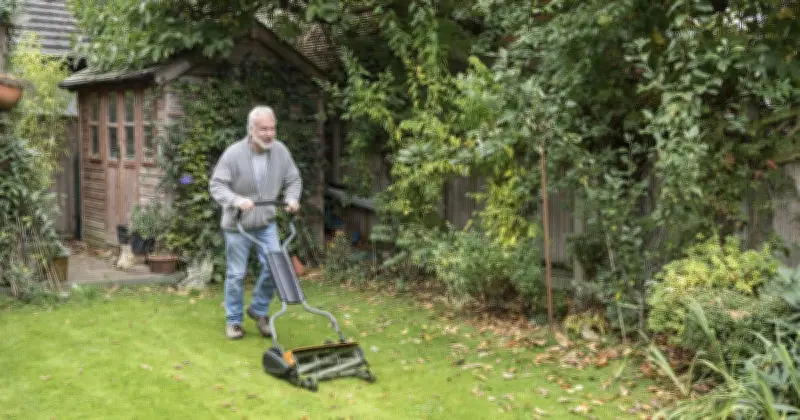
As autumn progresses and temperatures drop, gardeners should prepare for the final lawn cut of the season, which may come later than usual this year due to mild October weather. Chris Bonnett, founder of GardeningExpress, shares advice on when to stop mowing and how to protect the grass for winter.
Why the Final Cut Matters
In October, the garden begins to wind down. With shorter daylight hours and cooler temperatures, grass and other plants grow much slower. However, the final cut of the lawn is more important than many people think, as the lawn needs to be left at a suitable height to cope with colder weather.
Cutting the grass too short can weaken it, expose the soil, and leave it vulnerable to winter stress. Leaving it too long can cause the grass to become flat under rain and snow, increasing the risk of damp conditions and fungal diseases. Ideally, aim to leave the lawn with a slightly higher cut than in the summer, with a general guide of 4-5cm.
When to Make the Final Cut
Many people believe they should stop mowing after the first frost, but it is not necessarily a strict cut-off date. Grass can still grow in mild winter weather, so it might still need an occasional trim if conditions allow. The last cut is usually around late October or November, depending on the weather. Keep an eye on when the grass has noticeably slowed its growth and cut it before persistent cold, wet, or frosty conditions hit.
Since October has been fairly mild so far, gardeners may find that the final cut is around mid to late November instead this year. It is important to monitor the lawn and let the weather make the decision.
Preparing the Lawn Before the Final Cut
Now is a great time for gardeners to improve the health of their lawn before trimming. Aim to tackle compacted soil by aerating the lawn and repairing bare patches, but avoid carrying out any maintenance work if the ground is waterlogged.
Additional care steps include raking away fallen leaves, which can prevent the lawn from receiving sunlight and trap water and moisture. If the grass is suffering from compaction, aerate those sections with a garden fork to allow the lawn to breathe again.
Autumn is the last time you can fertilise the lawn for the year. Opting for a slow-release fertiliser will help the lawn develop strong roots and provide it with essential nutrients to survive the winter. Finally, try to minimise foot traffic on the grass during the final part of the year, especially when it is frosty, as heavy foot traffic while the grass is frozen can damage the blades and compress the grass and soil.