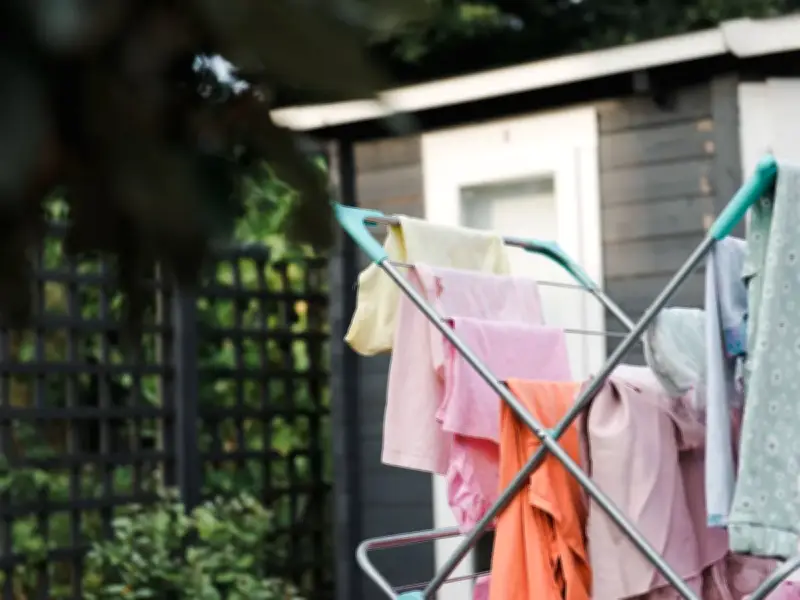
Households taking advantage of the summer sunshine are being advised to take extra care when drying their laundry outside. Hanging washing in the open air can help cut energy costs, keep indoor temperatures cooler and leave clothes smelling fresher.
It can also be kinder to fabrics than tumble drying, helping garments stay in superior condition for longer.
However, there is a common error that many people commit when pegging out their washing, according to specialists at Brabantia, who caution that your most treasured clothing items could be at risk of damage.

Clothes pegs can damage fabrics
Speaking to Ideal Homes about the problem with clothes pegs, the expert cautioned: "While a laundry staple, clothes pegs can sometimes leave pressure marks or small creases on clothing, especially when they are clipped too tightly or left on the line for too long."
As pegs grip clothing in one concentrated area, they can place unnecessary pressure on the fabric. Over time, this may lead to stubborn creases or indentations, shiny patches, misshapen shoulders and necklines, and even colour fading.
How to protect your clothes
According to fashion specialists at Superdry, to help protect delicate items, it is recommended to ditch clothes pegs altogether. However, avoid leaving laundry unattended outside during breezy conditions, as garments can easily be blown away.
They suggest utilising an indoor drying rack and moving it outdoors. They noted: "This helps extend the lifespan of your clothing by minimising wear and tear caused by heat exposure."
Sunlight offers natural antimicrobial properties and acts as a gentle whitening agent for fabrics. Take caution when using clothes pegs, as they can leave unsightly and potentially permanent pressure marks on delicate fabrics.
They added: "Additionally, you can enhance the whitening effect further by lightly spritzing clothes with white vinegar before hanging them outdoors, helping the sun to keep your whites looking fresh."
However, some fabrics will become stiff if dried in this way, especially those made from natural fibres like cotton. To avoid this, try partly drying outside and finish off with a few minutes in the tumble dryer.
It's also advisable to gently reshape garments to smooth out any creases before hanging them outside or placing them on a drying rack - a straightforward measure that can considerably reduce the amount of ironing needed.
How to hang your clothes outside
To keep ironing to a minimum, give clothes a thorough shake before hanging them outside and avoid overcrowding items together, according to The English Home. Space everything out properly, unfasten shirts, unzip jackets and unroll sleeves to promote even drying and minimise creasing.
Always hang tops from the bottom hem and trousers from the waistband to avoid any unwanted stretching. Delicate knitwear should be laid flat to dry, as hanging wet jumpers can cause them to lose their shape.
When it comes to shirts, hanging them neatly on coat hangers works particularly well. If you prefer to use clothes pegs, fastening shirts by the bottom edge can help reduce creasing and make putting them away considerably more straightforward.