
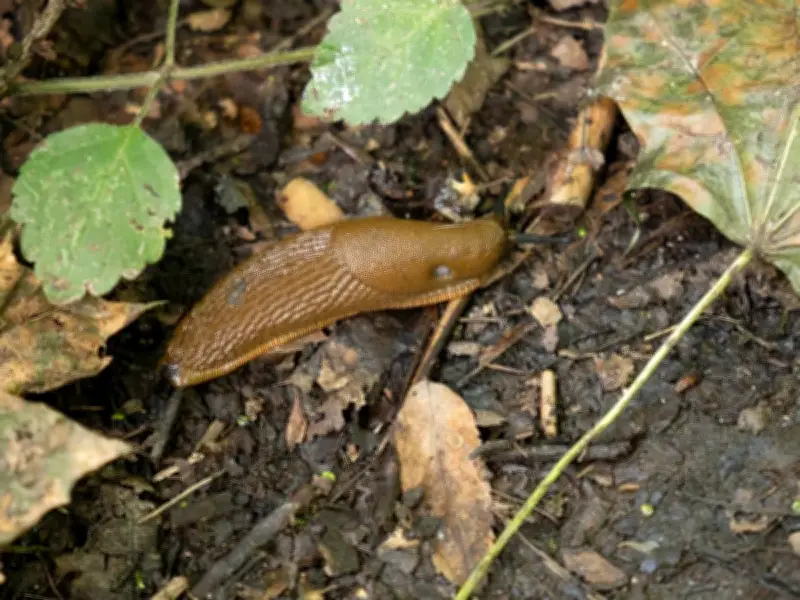
Horticulturist and broadcaster Peter Dowdall, known as The Irish Gardener, has shared a simple watering hack to deter slugs and snails from destroying plants. He advises watering plants in the morning rather than late in the day.
Morning watering reduces slug activity
Peter said: "Where possible, water plants in the morning rather than late in the day. This gives plants the moisture they need while allowing the surface of the soil and foliage to dry as the day progresses."
He added: "It also avoids creating especially favourable conditions around vulnerable plants just as slugs and snails are becoming active in the evening."
Natural balance is key
Peter acknowledged that slugs and snails can be "one of the most frustrating parts of gardening" — especially when young plants, vegetables or fresh new growth disappear almost overnight. By August, gardens are full of mature foliage, shaded spots and hiding places for slugs and snails, while vegetables and softer-leaved plants remain susceptible.
He emphasised that eliminating them entirely is not the goal. "Slugs and snails are not simply pests. They are part of the wider food web of the garden. They feed on living and decaying plant material, while in turn they provide food for other creatures such as birds, hedgehogs and frogs," he explained.
"So I do not want a garden with no slugs and snails. I want a garden where they are present, but where they are not destroying the plants I want to grow."
Physical deterrents and observation
Peter recommended focusing on protecting young plants, vegetables and plants known to be especially appealing to slugs and snails. Physical deterrents such as sheep's wool, coarse horticultural grit or other rough, dry substances can be placed around susceptible plants to make access harder. Copper tape can also help around individual plants or containers.
He stressed using these deterrents sparingly, only on plants that need protection, and advised checking these spots regularly and removing slugs manually if populations grow too large. He also suggested that if a plant is repeatedly replaced each year, it may not be suitable for that area of the garden.
In conclusion, he said: "Strong, established plants growing in conditions that suit them are also much better able to tolerate a little damage. August is a useful month for observing all of this as you can see which plants have suffered, which have coped and where the damage is worst. That tells you far more than simply counting slugs."
"The aim is not a garden without slugs and snails, it is a garden where plants, pests and predators exist together in a natural balance, and where we intervene only enough to protect the things we value most."




