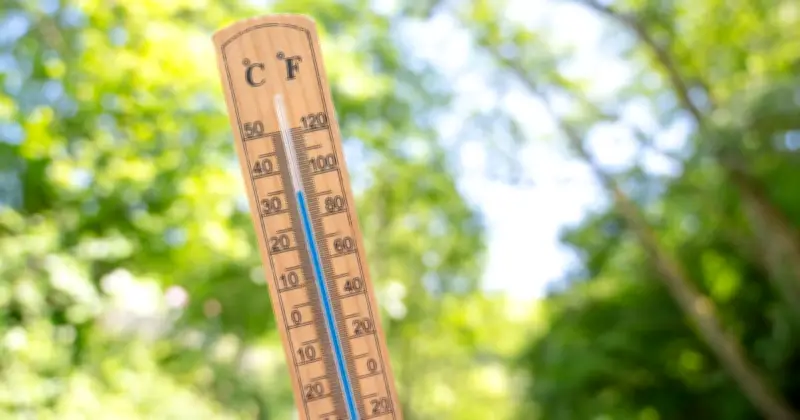
A woman from Worthing was left astonished after the recent UK heatwave, which set record-breaking temperatures, appeared to cause a banana plant in her garden to start growing fruit. The heatwave saw temperatures hit 37.1°C in Cavendish, Suffolk, on Thursday, making it the hottest day of 2026, according to Met Office provisional figures.
Bananas in Britain
Gemma, a TikTok user from Worthing, shared a video showing her large banana plant producing several bunches of tiny green bananas. "So hot in the UK right now that my banana tree is actually attempting to grow bananas," she wrote in the video overlay. The clip quickly garnered attention, with viewers expressing amazement at the unusual sight.
While banana plants can be grown in the UK, they are typically grown as ornamental foliage plants due to the lack of prolonged heat needed for fruit production. The Royal Horticultural Society notes that most banana trees in the UK will not flower or fruit outdoors unless grown in a greenhouse or conservatory, or during particularly long and hot summers.

Heatwave Impact
The extreme heat led to a rare red warning for London and parts of south-eastern England, affecting millions for the third consecutive day. The warning, extended until 21:00 BST on Friday, prompted school closures, train disruptions, and a hosepipe ban in Kent. Temperatures on Thursday reached 37.1°C, the highest recorded in the UK in 2026.
Despite the fruit's appearance, experts caution that the bananas are unlikely to taste like the sweet, edible bananas typically found in supermarkets. The UK's climate generally lacks the sustained warmth required for proper ripening.
Public Reaction
Gemma's video sparked a flurry of comments on TikTok. One user joked, "This s*** is bananas," while another said, "I thought we couldn’t grow these. That’s so cool - I hope you get bananas." Others shared similar experiences, with one commenter noting, "My olive tree is trying to grow olives, bless em," and another adding, "My mum grew a pineapple here in the UK and harvested it last year."
The heatwave, which affected southern, central, and western areas of England and parts of Wales, has now subsided, leaving behind a mix of relief and curiosity about the unusual botanical effects of extreme weather.